Nationalism is representation, proposed Catherine Frost, a noted scholar of nationalism, who saw it as a system people use to morally represent or define themselves. So, what does the emphatic performance in Saxony-Anhalt, with around 44% of the vote for the Alternative für Deutschland (AfD), an extreme Right-wing party with nationalism as its plank, say about Germany? Maybe it’s too early to gauge. But a vote-share more than double the ruling Christian Democratic Union (CDU)’s tally is a significant political
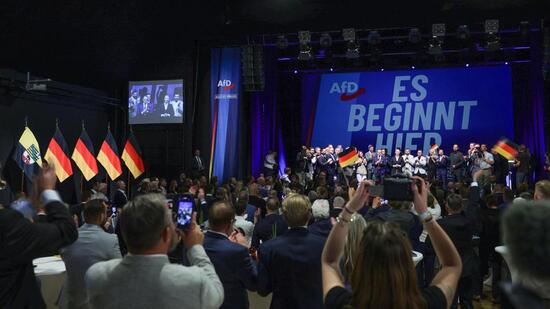
Nationalism is representation, proposed Catherine Frost, a noted scholar of nationalism, who saw it as a system people use to morally represent or define themselves. So, what does the emphatic performance in Saxony-Anhalt, with around 44% of the vote for the Alternative für Deutschland (AfD), an extreme Right-wing party with nationalism as its plank, say about Germany? Maybe it’s too early to gauge. But a vote-share more than double the ruling Christian Democratic Union (CDU)’s tally is a significant political event. For the first time since 1945, a party that German intelligence agencies labelled Right-wing extremist could govern a German province. As if the AfD’s ethnic rhetoric on immigration wasn’t dangerous enough, the CDU’s collapse to 17.2% vote-share shows electors have stopped believing in the centrist party’s ability to deliver civic guarantees to citizens.
For India, there should be more than academic interest in this development. Germany is India’s largest trading partner in the EU and a magnet for Indian students, engineers, and tech workers. The AfD has been explicitly targeting Indians in its immigration rhetoric, alongside Muslims and Ukrainians. If the party continues to grow in strength and eventually influences federal policy to make Germany look inward on visas and skilled migration, it will hurt India. As the largest democracy in the world, India should also be concerned about the increasingly lopsided balance between nationalist rhetoric and pluralism in the European continent, which has shown that relative social harmony and economic prosperity are no firewall against immigrant-blaming, religious rabble-rousing instincts. To be sure, this result could be just a temporary protest against Merz’s coalition rather than a bellwether for a socio-political realignment. The picture will become clearer as other German provinces vote in the coming weeks.
One Subscription.
Get 360° coverage—from daily headlines
to 100 year archives.
Archives
HT App & Website