Days after the external affairs ministry tacitly acknowledged a face-off between Indian and Chinese forces in the Arunachal Pradesh sector this month, Union minister Kiren Rijiju has spoken about confusion arising from differing perceptions of the boundary and increased Chinese military activity on high ridges along the frontier. Rijiju also dismissed reports that Chinese troops had intruded into Indian territory. An opposition party and a civil society group in Arunachal Pradesh had claimed that Chinese troops were expanding their presence
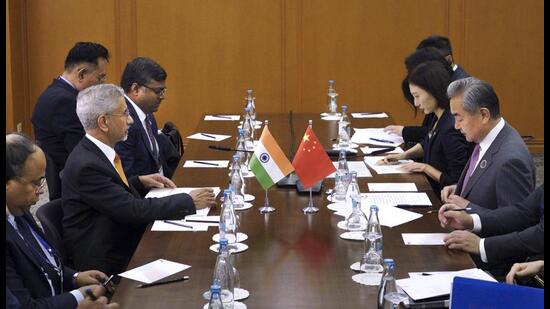
Days after the external affairs ministry tacitly acknowledged a face-off between Indian and Chinese forces in the Arunachal Pradesh sector this month, Union minister Kiren Rijiju has spoken about confusion arising from differing perceptions of the boundary and increased Chinese military activity on high ridges along the frontier. Rijiju also dismissed reports that Chinese troops had intruded into Indian territory. An opposition party and a civil society group in Arunachal Pradesh had claimed that Chinese troops were expanding their presence in the area and denying Indian troops access to the Shera 5 patrolling point. China and India continue to disagree on the next steps to normalise the situation along the Line of Actual Control (LAC). Withdrawal of troops to peace-time positions is yet to happen despite the two countries reaching an understanding on disengagement in October 2024. Even an agreement between the Special Representatives on the border issue in August 2025 on creating an expert group under the Working Mechanism for Consultation and Coordination (WMCC) has been unsuccessful in exploring an “early harvest in boundary delimitation”. New Delhi has unequivocally asserted that the state of border affairs has ramifications for the overall India-China relationship, and the two sides should avoid misunderstanding and miscalculation.
Rijiju mentioned that China has “cast an eye” on certain areas because of the lack of border demarcation, and that locals are concerned due to increased Chinese military activity on the high ridges. This specifically challenges China’s repeated assertions of desiring better relations with India that lead to a win-win situation for both countries. India is correct in maintaining that peace and tranquillity on the LAC alone will ensure the full normalisation of the bilateral relationship, despite Beijing’s calls to put the border issue in its “appropriate place”. China’s use of gray zone and salami slicing tactics in other territorial disputes is well documented. The focus in ongoing efforts to normalise bilateral relations must now turn to the border issue so that both sides can advance the demarcation exercise in good faith wherever feasible. An unsettled boundary will always leave India at a disadvantage, widen the trust deficit between the two countries, and allow China an edge in setting the terms for engagement.
One Subscription.
Get 360° coverage—from daily headlines
to 100 year archives.
Archives
HT App & Website