
 E-Paper



As we wait for the poll results
Coarseness of the campaign, dog whistles, a limping Election Commission — there is a lot for all the stakeholders to reflect on

 Prefer HTon Google


The long-drawn-out polling for Mandate 2024 will end this evening after what was arguably one of the most polarising election campaigns. Prime Minister (PM) Narendra Modi led a gruelling campaign, seeking a third term in office while the Opposition which appeared divided, jaded, and listless at the beginning of the elections managed to get its act together and mounted an aggressive counter against the ruling party. The campaign revealed one thing about India. Institutions may be under strain in the backdrop of an all-round decline in conversations, but competitive electoral democracy is alive and kicking at the grassroots, and no leader, however popular one may think the person is, can take the voters for granted. Every vote has to be fought for with hard work, by hard-selling promises and achievements, and, unfortunately, by stoking fears about what might be. The good thing is that the electorate is particular about its choices and seems unwilling to be impressed by legacy, placing a premium on record. The bad thing is they are often enamoured by freebies, and all too susceptible to polarising rhetoric.
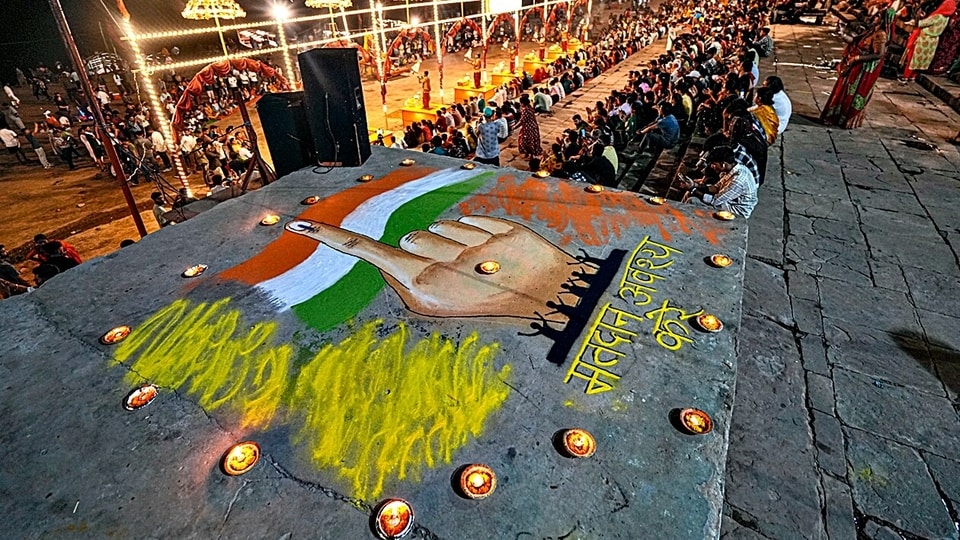
A few things need to be said about the elections this time. One, the campaign was the most presidential in recent years. What began in 2014 has strengthened so much that this election was all about Brand Modi. The party and its candidates were secondary to the guarantee called Modi. And that is a ground that the Opposition found hard to play on. How this shift in Indian democracy, which is based on the Westminster model and prefers collective leadership unlike the US model of a singular leader, will turn out is anybody’s guess. Two, this election was about Modi/BJP versus Others. The Congress’s decline became evident when it fielded the fewest number of candidates it ever has. Three, the campaign was defined by coarseness. Elections are competitive affairs, no doubt. But do leaders need to stoop so low as to manufacture fears, and then personally malign opponents to win votes? Modi’s speeches were filled with shrill anti-Muslim rhetoric. In Odisha, the campaign bordered on xenophobia over the ethnicity of CM Naveen Patnaik’s aide and BJD leader, VK Pandian. The Opposition created a scare over possible amendments in the Constitution to take away the benefits of reservation. These dog whistles vitiated the atmosphere and lowered the dignity of the discourse. A nation that takes pride in being the mother of democracy needs to do better when it comes to the language of electioneering. Four, much of the decline in electioneering has to do with the failure of the Election Commission of India to ensure that all parties respected the Model Code of Conduct. This is an institution that has made the country proud since it conducted the country’s first election in 1951. It had drawn the red lines and made sure that parties did not breach them. Unfortunately, the three wise men who now head it have done the institution no favours. The perception has gained that it has been too lenient about the transgressions of the ruling party, especially in censuring leaders indulging in hate speech. The delay in releasing turnout figures, which may well be because of the extra care to ensure that it got the numbers right, has also cast a cloud over its reputation. Clearly, the institution has a problem in hand.
By evening, the exit polls will suggest the likely winner when the votes are counted Tuesday, although they have been wrong in the past. Until then, all the stakeholders ought to reflect on what was said and done during the campaign and introspect on whether they could have done better.


