India has taken the strong step of opposing a United Nations Security Council (UNSC) draft resolution on climate change because of concerns that it sought to “securitise” the issue. Behind India’s decision were several factors, including worries that the resolution would dilute or even undermine proceedings at the UN Framework Convention on Climate Change (FCCC), affect the hard-won progress that has been made so far in delicate climate action and climate finance negotiations, and have a bearing on the common
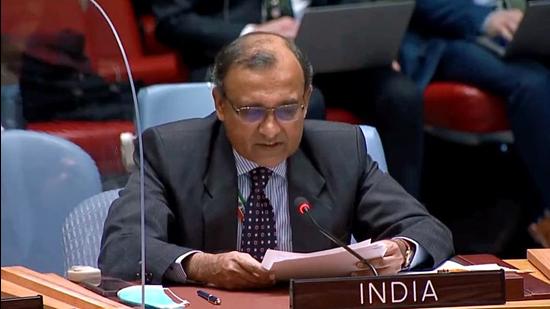
India has taken the strong step of opposing a United Nations Security Council (UNSC) draft resolution on climate change because of concerns that it sought to “securitise” the issue. Behind India’s decision were several factors, including worries that the resolution would dilute or even undermine proceedings at the UN Framework Convention on Climate Change (FCCC), affect the hard-won progress that has been made so far in delicate climate action and climate finance negotiations, and have a bearing on the common but differentiated responsibilities of countries to combat the phenomenon. A larger concern in New Delhi was that the success of such a resolution could have placed an inordinate amount of power in the hands of the permanent members of the UNSC, especially the move to define climate change as a threat to global peace and security. As India’s permanent representative to the UN, TS Tirumurti, put it, the country “had no option” but to vote against the resolution. The belief in the Indian government is that the climate crisis is too big an issue to be left in the hands of a few major powers, since it affects nations worldwide and needs to be tackled through a more broad-based and consensus-led approach.
The draft resolution, framed by Ireland and Niger, was backed by 12 of the UNSC’s 15 members. Russia vetoed it on the grounds that the document would push the UNSC to take a “one-dimensional approach” to conflicts and threats to global peace and security, while China abstained. Even some of the nations that backed the resolution were apprehensive about the security overhang associated with it since the adoption of the document could have set the stage for potential UN interventions in conflicts that were seen as the outcome of the impacts of the climate crisis.
Over the past few years, India has watched warily as the developed countries have failed to deliver on their commitments to finance efforts around the world to tackle the climate crisis. It has also pointed out that the country’s per capita contribution to global warming is much lower than those of developed nations. India has also sought to strengthen its credentials as a key player by helping create the International Solar Alliance and the Coalition for Disaster Resilient Infrastructure. India’s efforts to act as the voice of the developing world cannot be ignored by those who have, so far, evaded a greater share of their responsibility to mitigate the impact of the climate crisis.
One Subscription.
Get 360° coverage—from daily headlines
to 100 year archives.
Archives
HT App & Website