The 2006 blasts in Mumbai are among the worst acts of terrorism in the country’s history. On July 11 that year, high-intensity explosive devices ripped through first-class compartments of seven suburban trains on the city’s busy Western line in the span of five minutes, leaving 189 dead and 828 injured. In 2015, a trial court convicted 12 persons for the terror strike and sentenced five of them to death. On Monday, the Mumbai High Court overturned the convictions and set
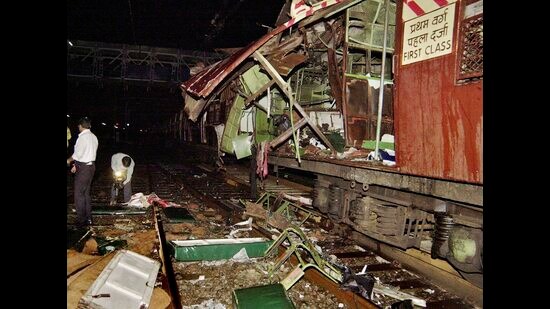
The 2006 blasts in Mumbai are among the worst acts of terrorism in the country’s history. On July 11 that year, high-intensity explosive devices ripped through first-class compartments of seven suburban trains on the city’s busy Western line in the span of five minutes, leaving 189 dead and 828 injured. In 2015, a trial court convicted 12 persons for the terror strike and sentenced five of them to death. On Monday, the Mumbai High Court overturned the convictions and set all 12 convicts free. The order has raised several questions.
We do not know who carried out this gruesome attack, clearly meant to cause maximum deaths and mayhem, considering the targets and the timing of the terrorist strike. Two years later, a 10-member Lashkar-e-Taiba squad from Pakistan attacked the city and killed 166 people. Could this incident have been prevented if the law enforcers had caught the real perpetrators of the train blasts? Were the planners of the Mumbai 26/11 emboldened by the success of the 2006 killings? There is much for the law enforcement agencies to answer. And on the other side are the victims and their families — who have discovered, after 20 years, that they still do not have closure.
The order is scathing of the Mumbai police’s anti-terror squad (ATS) that investigated the crime. The two-judge bench of the high court that heard the case has exposed the police probe as criminally shoddy. The conclusion of the probe rested on confessions extracted through torture, the judges found. The court has described the police’s refusal to share call detail records with the accused and, later, their destruction, as suppression of material evidence. It has also said the other material that the ATS produced as evidence, books and air tickets among them, is insufficient to corroborate the claims that the men in custody were members of proscribed outfits and received training in Pakistan. The miscarriage of justice is not just for the blast victims and their families, but also the 12 men, all Muslims, who were arrested, tortured in custody, convicted, and imprisoned for nearly 20 years; five persons, now declared innocent, have been on death row for 10 years now. The compromised investigation shows Mumbai police, and by extension, law enforcement in India, in a poor light; the moral burden on the Indian State is heavier than ever.
Sure, the country has moved ahead since, and after the 26/11 attacks, created the National Investigation Agency to investigate and combat offences related to terrorism and other threats to the security, sovereignty, and integrity of the country. Perhaps, NIA needs to reinvestigate the incident, find where the ATS probe slipped, try to identify the guilty and fix responsibility, even at this late stage.
One Subscription.
Get 360° coverage—from daily headlines
to 100 year archives.
Archives
HT App & Website