The All India Survey of Higher Education 2018-19 showcases key positive developments in the sector. The gross enrolment ratio, which is the ratio of students aged 18-23 who have enrolled in higher education to the total eligible population in the group, has increased from 24.3% in 2014-15 to 26.3% in 2018-19. Female enrolment has improved from 47.6% in 2017-18 to 48.6% in 2018-19.
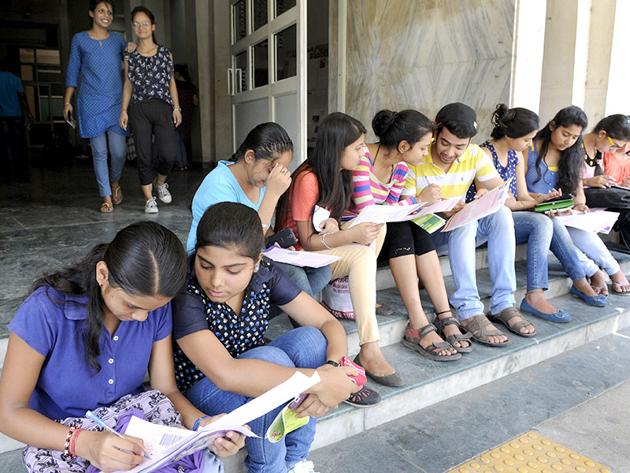
But the report also highlights two major challenges. One, the higher education infrastructure is skewed in favour of less than 10% of the districts, which have over 30% of all colleges in the country. Most of these districts are either in south or west India. Not a single district from the country’s east or northeast has made it to the list of top 10 districts. The second worrying aspect is representation of disadvantaged classes in higher education. An analysis of official data by Mint shows Scheduled Caste (SC) enrolment in 2018-19 fell short of the mandated quota of 15%, as did Scheduled Tribe (ST) enrolment. In many large states, including UP, Bihar, Tamil Nadu and Kerala, fewer than 20% of students enrolled in higher education in 2018-19 were SC or ST.
The lack of access to education — either due to lack of an institution near home, or socioeconomic hurdles or discrimination — is holding back many young people from realising their full potential. It also diminishes India’s economic potential. Access to education matters is particularly critical for the marginalised because it is their only tool for upward mobility. India must deepen access to education, both geographically and socially.
{{/usCountry}}The lack of access to education — either due to lack of an institution near home, or socioeconomic hurdles or discrimination — is holding back many young people from realising their full potential. It also diminishes India’s economic potential. Access to education matters is particularly critical for the marginalised because it is their only tool for upward mobility. India must deepen access to education, both geographically and socially.
{{/usCountry}}