Around 29% of India’s geographical area is undergoing a spell of dry weather, according to the drought tracker of the Indian Institute of Technology, Gandhinagar, released on Monday. The tracker captures rainfall patterns and found that till September 4, there were no drought-like conditions in about 71% of the country, but that the remaining parts face rain deficiency. Almost all of Gujarat, western Odisha, eastern West Bengal, Bundelkhand in Uttar Pradesh and Madhya Pradesh, and districts in the Northeast face
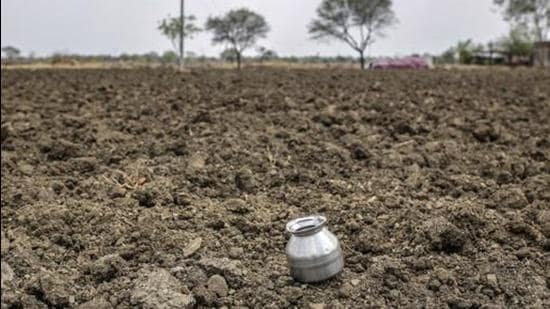
Around 29% of India’s geographical area is undergoing a spell of dry weather, according to the drought tracker of the Indian Institute of Technology, Gandhinagar, released on Monday. The tracker captures rainfall patterns and found that till September 4, there were no drought-like conditions in about 71% of the country, but that the remaining parts face rain deficiency. Almost all of Gujarat, western Odisha, eastern West Bengal, Bundelkhand in Uttar Pradesh and Madhya Pradesh, and districts in the Northeast face drought-like conditions.
Alarmingly, the situation this year is different from September 4, 2020, when only 9% of India had dry weather or drought-like conditions. In India, states follow a three-step approach to declare drought. The first is to look at rainfall deviation and dry spell. The next is to look at four impact indicators (agriculture, vegetation indices based on remote sensing, soil moisture and hydrology). The third involves ground surveys to make a final determination of drought.
Also Read | Joe Biden warns of ‘code red’ moment on climate change
Several climate crisis-related studies have said that droughts will increase in northwest and peninsular India. This will affect agricultural output and also the lives of those involved in the sector. Such conditions will induce internal migration. A 2020 World Bank report on migration patterns has warned that the climate crisis-led migration in India could treble by 2050. This hasn’t drawn adequate attention in political discourse and public policy. But India needs to be prepared for rain deficiency in more parts of the country, invest in research, and address the issue of climate migration, including creating an accessible and effective social security safety net for climate migrants.
One Subscription.
Get 360° coverage—from daily headlines
to 100 year archives.
Archives
HT App & Website