
 E-Paper



Kathmandu shouldn’t politicise map dispute
These boundary disputes ought to be discussed through existing mechanisms between the two governments and away from the public glare

 Prefer HTon Google


The Nepal government’s decision to put a map showing disputed regions along the border with India as Nepalese territory on new currency notes has triggered a row in Kathmandu, with the president’s economic advisor being forced to quit over his remarks against the move. Chiranjivi Nepal, a noted economic export, had characterised the government’s move as “inappropriate” and flagged that political rhetoric should not be institutionalised by giving shape to it in the form of currency notes. The politics being played in Nepal with the map can have serious repercussions for bilateral ties, especially given that similar claims by the Himalayan country in 2020 soured ties.
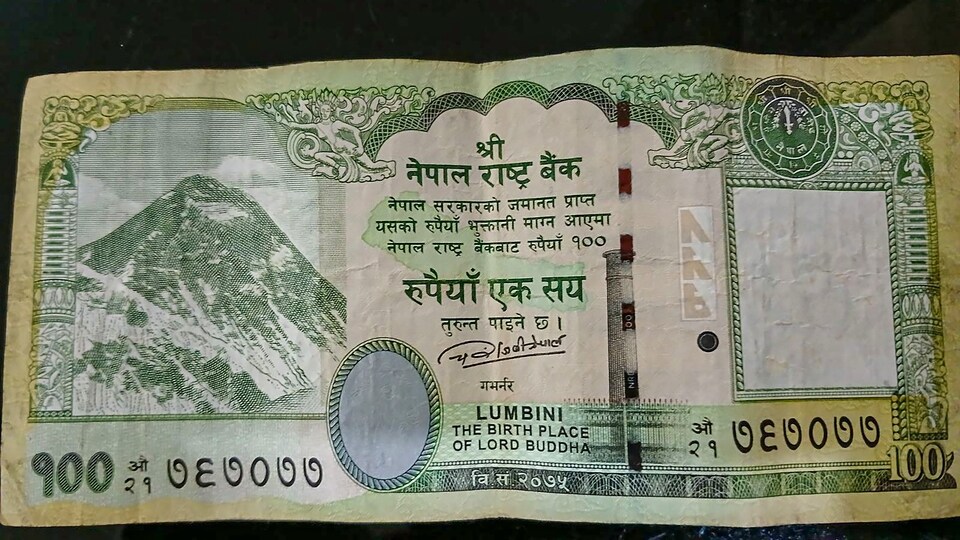
That year, Nepal’s Parliament passed a constitutional amendment to endorse a new political map that claimed the areas of Lipulekh, Kalapani and Limpiyadhura, which have for long been under India’s control. This was in response to the Indian side opening a strategic road connecting Dharchula and Lipulekh. The issue lingered like a dark cloud over bilateral relations till the two sides agreed to address the border issue through established mechanisms. The Indian side also made it clear that Nepal’s “artificial enlargement of claims” wasn’t based on historical fact and violated the existing understanding to address outstanding boundary issues through talks.
Besides the disputes over two stretches at Kalapani and Susta, the rest of the India-Nepal boundary has been settled. These boundary disputes ought to be discussed through existing mechanisms between the two governments and away from the public glare, so that contentious issues can be sorted out in a spirit of give and take. Unfortunately, that is not the direction in which Kathmandu appears to be moving.


