The first real storm of the season in the early hours of Monday threw Delhi’s civic infrastructure out of gear yet again – roads blocked by uprooted trees, stretches flooded, many homes inundated, flight schedules in chaos and traffic snarls that took hours to untangle. The collapse of urban infrastructure came on the first working day of the Capital’s new unified municipal body and represented the first major challenge for its office bearers. To resolve this crisis will need a
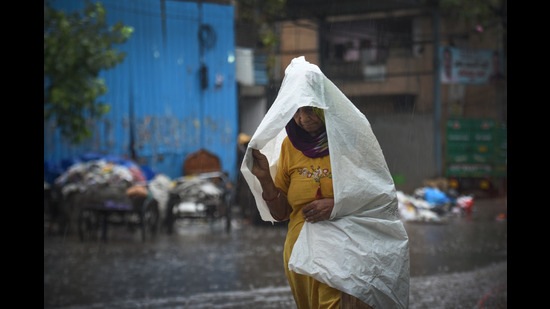
The first real storm of the season in the early hours of Monday threw Delhi’s civic infrastructure out of gear yet again – roads blocked by uprooted trees, stretches flooded, many homes inundated, flight schedules in chaos and traffic snarls that took hours to untangle. The collapse of urban infrastructure came on the first working day of the Capital’s new unified municipal body and represented the first major challenge for its office bearers. To resolve this crisis will need a prompt response on two fronts.
One, Delhi’s civic infrastructure has traditionally suffered from a problem of too many masters, and too little accountability. Until the unification, for example, five municipal bodies (the three MCDs, NDMC, and the Cantonment Board) and two government agencies managed roads and drains, creating a muddle of jurisdictions and regulation, one exacerbated by politics. One of the stated aims of merging three of the municipal bodies was to cut through the clutter – the new Municipal Council of Delhi must, therefore, show political resolve in cleaning and desilting stormwater drains, removing illegal encroachments, and dumping of garbage in drains, and creating new and dedicated sewer lines.
But these are short-term measures. To recharge the city’s natural drainage network, the only surefire way to prevent flooding and the ensuing chaos, the authorities will have to focus on green infrastructure, by checking illegal construction on the Yamuna floodplain, and restoring wetlands, lakes and ponds.
Much depends on the new MCD acting in concert with the elected government in Delhi – something that looks remote at this stage, given the continual sparring between the Aam Aadmi Party (AAP) the Union Territory’s elected government, and the Bharatiya Janata Party, which controlled all five municipal bodies. Indeed, in recent months, when they should have been focusing on preparing for the monsoon, the MCDs were spending most of their time either playing politics, or being caught in the crossfire between the AAP and the BJP.
Delhi’s monsoon woes have often been blamed on its multiple squabbling government agencies. With the havoc wreaked by the deluge on Monday raising serious questions about the city’s monsoon preparedness, the city’s political and municipal authorities must rise to the challenge and show that the unification of the MCDs is indeed a change for the better.
One Subscription.
Get 360° coverage—from daily headlines
to 100 year archives.
Archives
HT App & Website