The Narendra Modi government has notified that the new Real Estate (Regulation and Development) Act will come into effect from May 1. Every state should now create a real estate regulator in compliance with the new law. The consequences will be a sea-change for the better in a sector of the economy that is a byword in corruption, nepotism and customer abuse. The consequences may take some years to fructify, but at the end buying property should no longer be the Russian roulette that it is at present.
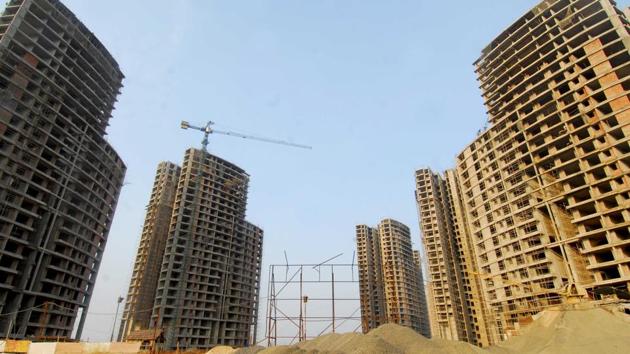
Among other welcome measures in the new law is a requirement that a real estate developer will have to put 70% of the money buyers give them in escrow accounts. This will end the present business model under which developers use customer payments to fund new real estate projects. If something went awry with the builders’ finances or clearances, buyers were left running from pillar to post trying to get their money back.
Making it worse for the customer was the political clout wielded by many real estate firms. They laundered money for politicians and bureaucrats in return for being able to break the rules with impunity, including when it came to land acquisition and construction approvals. As a study by the Institute for Public Finance and Policy calculated, almost 40% of money used to buy real estate was “black wealth”. The political connection was so close cement production in India was tied to the state election cycle. The fortunes of certain developers rose and fell depending on which party was in power.
The Modi government cannot be faulted in its determination to take on the dark side of real estate. The new anti-benami legislation is designed to allow tax authorities to go after those who have salted away black money in real estate through cut-outs. The real estate regulator should keep developers with suspect finances or crony backing from entering the market. Finally, the new Insolvency and Bankruptcy Board of India, which has opened its door for business recently, will hopefully end the impasse over insolvent developers and their hundreds of thousands of half-finished properties.
{{/usCountry}}The Modi government cannot be faulted in its determination to take on the dark side of real estate. The new anti-benami legislation is designed to allow tax authorities to go after those who have salted away black money in real estate through cut-outs. The real estate regulator should keep developers with suspect finances or crony backing from entering the market. Finally, the new Insolvency and Bankruptcy Board of India, which has opened its door for business recently, will hopefully end the impasse over insolvent developers and their hundreds of thousands of half-finished properties.
{{/usCountry}}The disruption to the real estate sector, normally a major driver of economic growth and job creation, will be considerable and could last a year or more. But it will be well worth it if an Indian home-buyer can assume that her down payment on a home will not mean years of litigation, occasional political thuggery or a court order saying her home is illegal and faces demolition.