The Supreme Court (SC) pulled up the Tripura Police on Monday for notices sent to people for social media posts about alleged communal violence, despite its interim restraining order on January 10. The SC bench was hearing a plea filed by journalist Samiullah Shabbir Khan against a notice issued by Tripura Police for posts made after vandalism incidents were reported in October-November 2021. In his tweets, Mr Khan stated that 12 mosques were vandalised in acts of anti-Muslim violence. Solicitor-General Tushar
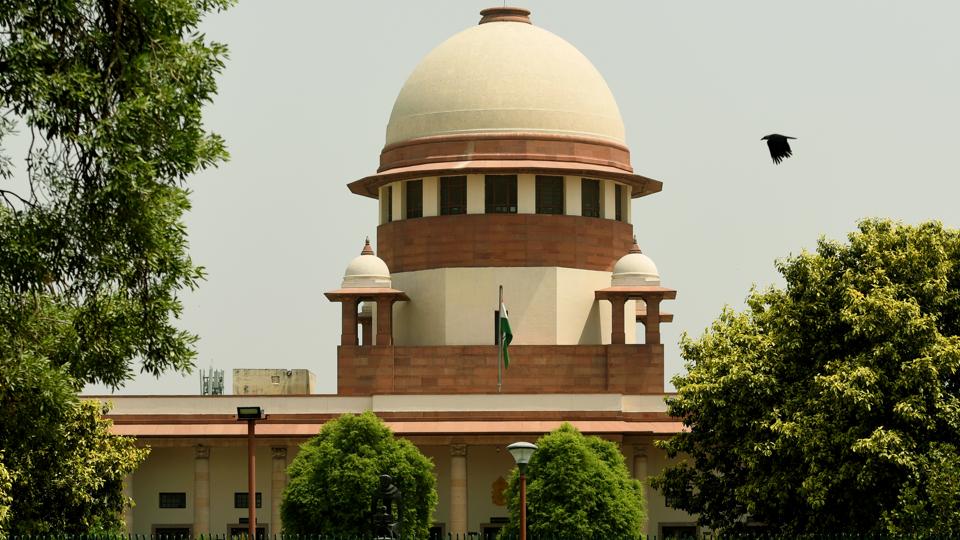
The Supreme Court (SC) pulled up the Tripura Police on Monday for notices sent to people for social media posts about alleged communal violence, despite its interim restraining order on January 10. The SC bench was hearing a plea filed by journalist Samiullah Shabbir Khan against a notice issued by Tripura Police for posts made after vandalism incidents were reported in October-November 2021. In his tweets, Mr Khan stated that 12 mosques were vandalised in acts of anti-Muslim violence. Solicitor-General Tushar Mehta assured the SC that Tripura will comply with the court order.
The SC bench made three critical observations: First, the state government’s disinclination to comply with the court’s interim order; second, that the state police is “harassing people” with such notices; and third, people have to knock on the SC’s doors to defend their basic rights. Mr Khan is the fourth litigant before the SC who faced a probe for posts on the same issue. And this is also not the first time the SC has asked states not to act against people airing their grievances. In May 2021, it warned states against booking people for posts on the scarcity of oxygen and hospital beds for Covid-19 patients.
Tripura and other state governments must understand the import of the SC’s observations and desist from taking unlawful action against citizens. As justice Chandrachud said last year, a “blanket labelling” of dissent as anti-national strikes at the heart of the country’s commitment to protect constitutional values and promote deliberative democracy. Any call to violence must be strongly dealt with, but State machinery must desist from charging people for simply sharing their views.
One Subscription.
Get 360° coverage—from daily headlines
to 100 year archives.
Archives
HT App & Website