
 E-Paper



Trust in E20 fuel needs transparency
The signals in the two industry communications — even in withdrawal — are serious enough to warrant a closer look at the programme’s specification and its retail chain

 Prefer HTon Google


Complaints about E20 petrol, mandatory at Indian fuel pumps since April, have run for months. The disquiet has been largely on social media, but in recent weeks, two industry letters have given it technical weight. On July 24, petrol pump dealers wrote to the Centre saying they can test dispensed fuel only for density and water paste — alluding to an inability to test for humidity that has become a unique Achilles heel for fuel stocks that can spoil. Days later, the Society of Indian Automobile Manufacturers (SIAM) flagged chloride and moisture contamination as damaging vehicle components, then withdrew the letter within hours of it becoming public, citing a need to authenticate the readings. The government has answered by pointing to monitoring already in place — monitoring both letters describe as inadequate.
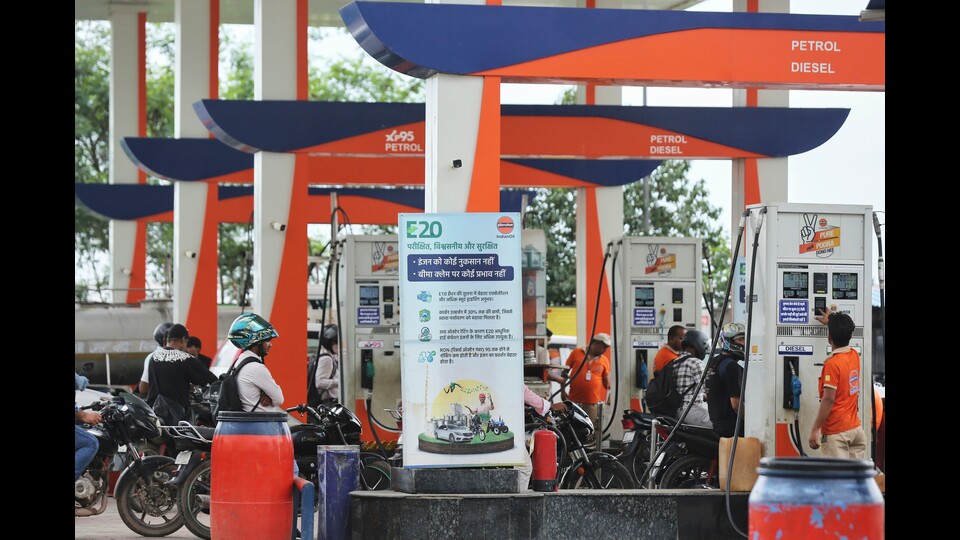
Criticism of ethanol-blended fuel has long centred on ethanol itself — that it drops mileage, saps power, and corrodes internals. The new letters make a different case. Ethanol is not the problem; the supply chain from distillation to storage may be introducing contaminants the specification does not screen for and the retail chain cannot detect.
Ethanol blending has a real case on energy security and forex savings. The gaps deserve engagement, not deflection. The signals in the two industry communications — even in withdrawal — are serious enough to warrant a closer look at the programme’s specification and its retail chain. Some of the political framing around E20 is opportunistic. That does not answer the questions the disclosures now raise: whether the E20 specification is adequate to what millions of vehicles are now being asked to run on; whether the retail chain, limited to density and water-paste testing, can catch what the specification does not; and why an industry body wrote a technical letter one day and walked it back the next.


