
 E-Paper



Waivers will exacerbate Delhi’s water problems
Without reforms, dependence on waivers to alleviate the pain of punishing water bills will only grow.

 Prefer HTon Google


The Delhi government’s announcement that a waiver scheme for pending water bills is in the offing is widely at odds with what would be considered the ideal policy for water-stressed regions such as the national capital. With the government promising to cut unpaid domestic water bills by up to 90%, the waiver would run into thousands of crores given the outstanding bills stood at over ₹ 5,000 crore in 2023. There are several problems with this proposal.
First, there is an issue of moral hazard. The previous AAP government, too, had mooted a “one-time settlement” scheme though it never got implemented. It resurfaced as a poll issue before the Delhi assembly elections earlier this year — a clear sign that parties perceive political currency in such waivers. So, competitive waiver politics — water today, electricity tomorrow — will likely not be too far off. At the consumer end also, it sets a bad precedent. If one waiver scheme is implemented, it would discourage timely payment of bills in the hope of another. And what of those who have paid the full bill in time?
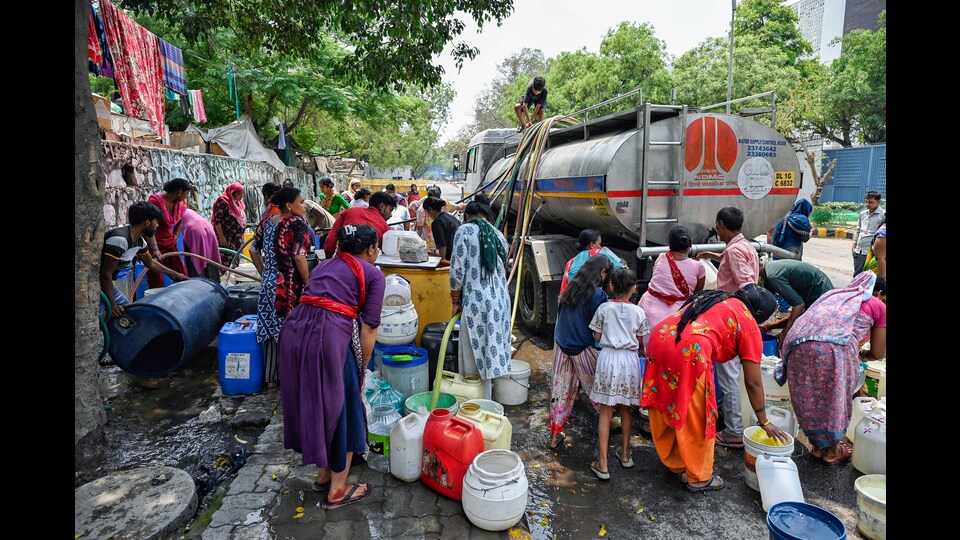
Second, the revenue foregone from such schemes will have fiscal consequences. While water is a public good, treating it and transporting it to homes incurs a certain cost, only part of which is defrayed by the charges levied on the households. If this recovery mechanism suffers periodic disruptions through waiver schemes, the supply is bound to come under pressure. This, in turn, will force dependence on unreliable, expensive and environmentally unsustainable solutions such as pumps and water tankers draining water bodies and groundwater.
Third, the waiver distracts from real solutions to the issue. Without proper metering, concerted efforts to bring down costs by reclaiming wastewater and efficient sewage treatment, and pushing water conservation among households, dependence on waivers to alleviate the pain of punishing water bills will only grow. The government must bear in mind that the path of reforms is the only route out of this.


