
 E-Paper



What poverty numbers reveal
The decline in multidimensional poverty is one part of the story. The challenge is to ensure income growth for people across classes

 Prefer HTon Google


India has pulled 248 million out of multidimensional poverty between 2013-14 and 2022-23, according to a discussion paper released by the NITI Aayog on Monday. The period of comparison corresponds largely with the term of the Narendra Modi government, and it is a given that the Bharatiya Janata Party (BJP) will use these numbers to buttress its 2024 campaign.
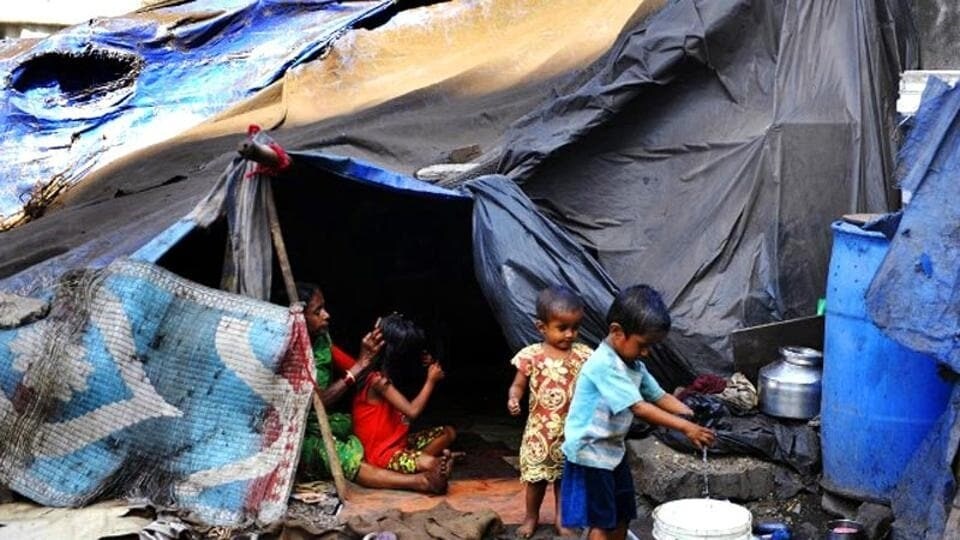
Elections aside, what is the real import of the multidimensional poverty numbers? Because multidimensional poverty numbers are not based on measuring consumption expenditure and, therefore, on whether or not a person is above the designated poverty line, they are not comparable to standard poverty estimates in India which are only available till 2011-12. The reason we do not have poverty estimates after 2011-12 is that the government scrapped the 2017-18 consumption expenditure survey (CES) and a new set of numbers is yet to be released. The lack of an official consumption survey has muddied the discourse around consumption-based poverty in India with multiple claims and counterclaims. To be sure, even CES-based poverty estimates have had their share of controversies around the propriety of poverty lines or comparability of changes in recall periods.
The lack of recent consumption data, however, does not make the multidimensional poverty estimates insignificant. Multidimensional poverty indicators measure tangible improvement in the living standards of people based on multiple socio-economic indicators. Many of these improvements would not have been possible had the government not incurred spending to achieve these goals. The magnitude of poverty reduction captured in the numbers released by NITI Aayog shows there has been a significant expansion of the welfare net in India in the last decade. This is the result of a perfect tango between the BJP’s politics and the direct-benefit-transfer-based evolution of the technological framework governing India’s welfare architecture.
If one were to look at this issue in a holistic way, an argument can be made that a fall in measures of multidimensional poverty and continuing concerns about India’s post-pandemic consumption growth continuing to have a narrow base, underlines the strengths and weakness of the State in the realm of economic policy. It has done well to deploy resources to provide basic material entitlements to millions of poor. However, ensuring sustained income growth for all of them is a more difficult challenge.


