Poverty traps were much debated as one thing led to another, like malnutrition, weak people, sickness, out of pocket expenses for health care, hence not able to work and perpetuate poverty a poverty trap. Are we now adding to agony by entering and negating our strength since independence - the quality education by diluting the institutions, selection and admission process leading to ‘Lack of Education Trap “
For a country like India and 1.4 billion population with 65% that is young, the governance top priority must be in making this youth an asset to the nation. The most important issue is our policies, the education, and job creation system, working to realize the maximum potential of the youth or adversely pushing them into traps by diluting access to and quality of education. The challenge is human resource that India have for coming decade is being weathered away over last one and half decades by constant deterioration in having and gaining access to affordable quality education.
What will the ideal graduate look like in 2031? Skills, AI and future of education
The dream of poor and middle class to have better quality of life is to equip with education and appropriate skills. The painter of signs and posters has moved to computer designing and created flex, we need constant shift from physical labour to now more automated manufacturing and even construction. We did gain on our strong education system by providing best of talents throughout the world, but can we claim we have continued with that advantages or in zeal to experiment diluted the existing assets and creating the divide, divide of previous generation who had affordable public institutions accessible to the present day youth who pays heavy amount in terms of fees and coaching and ends up in mess of repeated failure of fair system for selection and examination processes. They are trapped in a vicious cycle of incompetency and unaccountability of the agencies that are responsible to ensure quality education accessible and choice to profession – The Education Trap of vicious cycle.
{{/usCountry}}The dream of poor and middle class to have better quality of life is to equip with education and appropriate skills. The painter of signs and posters has moved to computer designing and created flex, we need constant shift from physical labour to now more automated manufacturing and even construction. We did gain on our strong education system by providing best of talents throughout the world, but can we claim we have continued with that advantages or in zeal to experiment diluted the existing assets and creating the divide, divide of previous generation who had affordable public institutions accessible to the present day youth who pays heavy amount in terms of fees and coaching and ends up in mess of repeated failure of fair system for selection and examination processes. They are trapped in a vicious cycle of incompetency and unaccountability of the agencies that are responsible to ensure quality education accessible and choice to profession – The Education Trap of vicious cycle.
{{/usCountry}}Unfortunately, today the youth who will miss out due to access in terms of distance or out-of-pocket expenses will be reconciling to fate--- is it not the time to question the entire system leading to forced trap of vicious cycle? The selection process for the old established professional institutions has shown clear failure in conduct of qualifying benchmark exams and competitive entrance exam putting doubts on ability to ensure fairness and enable hard working students to pursue their dreams.
From Cyberattacks to AI Attacks: What does cybersecurity look like in 2026?
India has been known for export of its highly skilled, educated and trained manpower that proved to be hard working and capable adding to the growth of new technologies, support systems and bringing pride to their institutions and their nations. In India, they brought in talent both within government, public and private sectors to take them to laurels. Maximum of them were educated in public schools and colleges at affordable cost, enabling the brightest to target the same. One of the priorities of tax money is access to education that is of best quality and affordable. Let the numbers speak where we stand today. The other challenge with growing numbers, fierce competition for the best of professional education, is that we still provide fair selection followed by affordable education is the moot question.
Universal enrollment was focus for 6-14 years making right to education a fundamental right in 2002 through the 86th Constitutional Amendment inserting Article 21-A and act for same enforced on 1st April 2010 thus bringing in focus the need to have access to public education and it did reach levels of 98% enrollment resulting in millions of children brought into the fold. Focus was also on better facilities with electricity, public toilets drinking water, better buildings and classrooms but the challenge remained in ‘Learning Deficit”. In terms of reading and arithmetic skills.
However, focus instead of strengthening the same mid-way in decade shifted to rise of private enrolments making education expensive. By 2018, nearly one -third of the children moved to private schools, however, the pandemic brought in distress with some reversal back to public schools, however learning loss was significant.
Unfortunately, instead of focusing on the learning processes in the public schools, the public schools revealed crisis of quality, student retention had fall, infrastructure deficits leading to closure of 98,000 schools with lack of separate girls’ toilets and nearly a lac schools have single teachers. Focus should have been on enrolling teachers and training them and continue with focus on quality of infrastructure and schools but just the reverse resulted in parents preferring to private schools by big out of pocket expenses. The public-school closures resulted in less density In Russia train goes to a station to pick only one student and will continue till she graduates and that is right to education in real spirit and not finding excuses for not ensuring quality education. The Civil Societies for social audits or reach inaccessible by flexi timing schools for labour children all became casualty.
If we then talk of Professional and college education again saw shift from public sector system to privatization at very high cost to parents. Education has become a product and marketed for profit. NEP (National Education Policy)2020, was thought to remedy the flaws, but then it got entangled in just changing regulatory systems. Public institutions started suffering from financial pressures like IITS, IIMs and Central Universities. The vacancies of professors were large but unfortunately the quality of recruitment and the skills have become a casualty. Even here, its again governance non focus that public colleges do not have the necessary infrastructure, the Central Universities have become experimental laboratories for designed agenda instead of quality research Then, opening the
FDIs in education will also indicate that proven institutions as failures with profits being siphoned than being ploughed back in research. Niti Aayog statistics show closure or merger of 94000 schools in public sector in last decade making access to vulnerable a questionable issue. The efforts to penetrate hinterland seems to have become a causality. The fall in public school enrollment is 6% and there are more dropouts. Thus, education that is to remove the divide seems to be widening the divide more in rural areas. Education is major source to climb for better quality of life, but these policies are resulting in widening the divide.
Statistics show the number of government schools showed decline from 11.07 lacs in 2014-15 to that of 10,13 lacs in 2024-25. Besides net decline of 36,235 schools and 18700 schools close. Number of government schools falls, results in ‘Missing Students’ who will always be the ‘Left Out’ population adding to challenges of governance. Are we heading to Education divide and thus the ‘Education Trap”.
Evidence indicating that the recruitment of Vice-Chancellors (VCs) and professors in universities falls "below the mark" there has been evidence that are documented pushing political ideologies resulting in court interventions and the very formulation of search committee itself is of concern. The vacancies have direct correlation to academic standards and youth wellbeing. The other issue as highlighted in the Gambhirdan K. Gadhvi vs State of Gujarat case) has ruled that appointments of Vice-Chancellors made in violation of established University Grants Commission (UGC) regulations are void from the beginning.
The frustration among youth, especially students, is now obvious and is of great concern. This youth for India due to lackadaisical attitude and casual attitude with no accountability cannot be allowed to face barriers from them becoming an asset. Loss is not just personal but of nation having youth that will eventually become a liability. A built up for vicious cycle of closure of public education institutions, privatization adding to cost of education, failure to conduct timely and fair evaluation systems, the content in syllabus and fair conduct of competitive examinations is strongly leading towards the ‘Education Trap’ that will destroy generations and future of India heading to be strong economic inclusive nation.
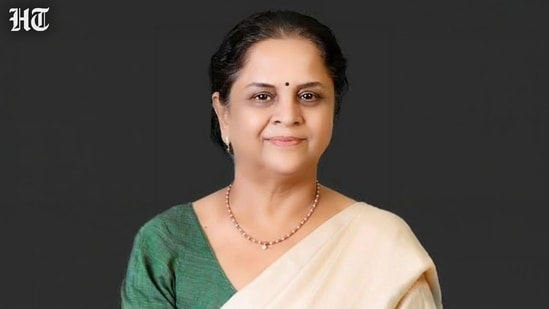
(About the Author- The author, Dr. Aruna Sharma, Former Secretary- Steel, Government of India and Practitioner Development Economist)