Scientists have found microplastics in bear and deer feces in Taiwan, highlighting how the tiny flakes and particles are flooding natural ecosystems and being ingested by animals and humans even in some of the most remote places on the planet.
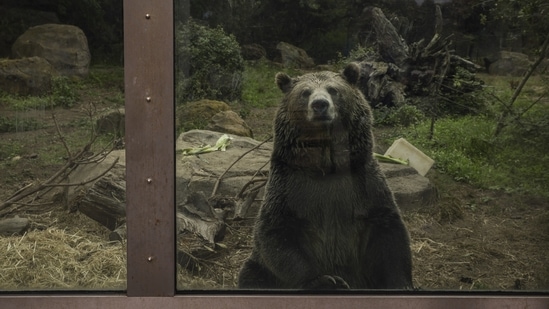
The pollution was found in fecal matter from protected species in Taiwan including black bears, sambar deer, otters, yellow-throated martens and leopard cats, according to a study conducted in 2021 and 2022 by Greenpeace East Asia along with local scholars and experts. Some microplastics concentration levels were higher than those documented in domesticated cattle manure in other studies.
Microplastics are pieces of plastic less than five millimeters in length -- about the size of a sesame seed or smaller -- and can originate from a variety of sources including larger plastic debris that degrades into smaller pieces, according to the U.S. National Oceanic and Atmospheric Administration.
Also Read | ‘Freedom from pollution’ protest: Shift dairies away from Ludhiana’s Buddha Nullah, says PAC
Each year, the world produces upwards of 400 million tons of plastic waste, according to the United Nations, and microplastics are now ubiquitous in the environment and can be found in marine animals and drinking water. Scientists said this year they detected microplastics in human blood for the first time. However, the World Health Organization has said there’s insufficient information to draw firm conclusions about how toxic they are for people, and more research is needed.
{{/usCountry}}Each year, the world produces upwards of 400 million tons of plastic waste, according to the United Nations, and microplastics are now ubiquitous in the environment and can be found in marine animals and drinking water. Scientists said this year they detected microplastics in human blood for the first time. However, the World Health Organization has said there’s insufficient information to draw firm conclusions about how toxic they are for people, and more research is needed.
{{/usCountry}}Also Read | Tibetan Plateau, a climate change 'hotspot' faces water loss this century
Greenpeace said 604 pieces of microplastic were identified in feces samples from five animal species during the study and that most particles were 'largely comprised of fragments and spherical fragments.' Its likely that the microplastics can be traced back to discarded food and beverage containers and packages, Greenpeace said. But it said hikers in the parks may not be the only source, as microplastics from urban areas could travel hundreds of kilometers through the atmosphere driven by air currents.
Greenpeace said that the Taiwan government should phase out single-use plastic packaging inside national parks and routinely monitor the level of plastic pollution in habitats. Corporations should strive for reduction of single-use plastic packaging and shift to reusable packaging models.