The devastating floods in Germany, extreme heat waves in British Colombia, rainfall in London, flood-triggered landslides in Maharashtra and forest fires in Greece. Each region has been taken by surprise. The world has been slapped around by climate crisis.
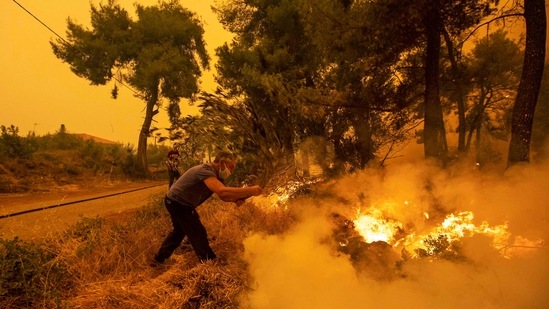
This is how things will be in the future too. What shall we do?
For one, we don’t predict these events because we don’t imagine intense heat, or incessant rain or floods in specific geographies. But now that we know, no city should consider itself immune. This reality should colour our everyday predictions.
A second issue is to plan for them in the city that exists. You can’t alter a town in Maharashtra or Germany instantly. Leaders have to plan what to do in case of any of these crises. From cooling spots to closing the underground metro, all kinds of ideas have been widely debated, but the point is to action them as if it were a disaster were to strike next month. Making citizens a part of this is vital, for, as India’s second wave showed, community action can save many lives.
Finally, the challenge is to be reborn as a more resilient city, or town, within a year or two. Using learnings from the crises, innovations and steps taken by non-state actors, a quick and dirty plan might be an instant way to reduce the loss and damage to citizens. Whether or not these crude packages work is anybody’s guess. Eventually, urban centres will have to radically transform just to survive.
{{/usCountry}}Finally, the challenge is to be reborn as a more resilient city, or town, within a year or two. Using learnings from the crises, innovations and steps taken by non-state actors, a quick and dirty plan might be an instant way to reduce the loss and damage to citizens. Whether or not these crude packages work is anybody’s guess. Eventually, urban centres will have to radically transform just to survive.
{{/usCountry}}(The writer is the founder and director of Chintan Environmental Research and Action Group)