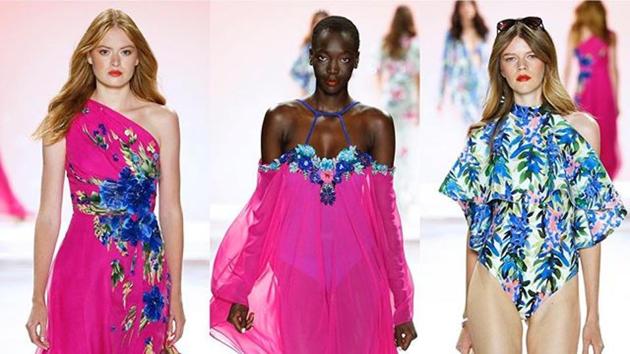
Fashion is supposed to make you look and feel good, and the apparel industry is finally making efforts to have the same effect on the planet.
Fashion is one of the world’s most damaging industries. It is responsible for about 10 percent of all greenhouse gas emissions, according to Oxfam.
Some brands are attempting to cut waste and be more sustainable, with mainstay brands like Badgley Mischka making shifts in how they produce their garments.
“It’s such a different business than it was, even five years ago. The factories we use are no-waste manufacturing plants, where everything is recycled,” said designer Mark Badgley.
{{/usCountry}}“It’s such a different business than it was, even five years ago. The factories we use are no-waste manufacturing plants, where everything is recycled,” said designer Mark Badgley.
{{/usCountry}}Studio 189 last week in New York showed its collection of African-inspired naturally dyed clothes produced with the collaboration of local communities in Ghana.
“We need to have this conversation in the fashion industry more than anything,” said actress Rosario Dawson, co-founder of the venture, along with former Bottega Veneta executive Abrima Erwiah. It tries to create jobs and support education and skills training in partnership with the United Nations Ethical Fashion Initiative.
Auto maker Hyundai partnered with ready-to-wear brand Zero + Maria Cornejo at New York Fashion Week on a collection that used leftover leather from the company’s cars.
Cornejo said the aim was to show how waste produced by big and small companies can be put to good use.
“It doesn’t have to be discarded. It could find a new life. It’s about recreating, reimagining, recycling. It’s about basically getting creative with things that usually would be discarded,” she said.
About 97% of clothing is outsourced for production in poor nations where factory owners compete on price, leading to discarded clothing piling up in landfills and harmful chemical run-off from factories, according to Andrew Morgan, director of the 2015 documentary The True Cost.
(This story has been published from a wire agency feed without modifications to the text. Only the headline has been changed.)
Follow more stories on Facebook and Twitter
Catch your daily dose of Fashion, Taylor Swift, Health, Festivals, Travel, Relationship, Recipe and all the other Latest Lifestyle News on Hindustan Times Website and APPs.
Catch your daily dose of Fashion, Taylor Swift, Health, Festivals, Travel, Relationship, Recipe and all the other Latest Lifestyle News on Hindustan Times Website and APPs.