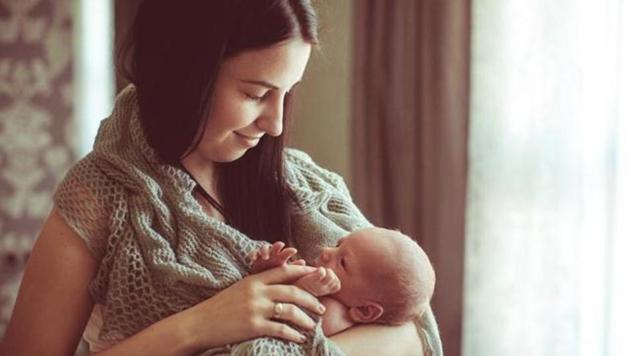
Babies born to mothers who were exposed to pollen during the last trimester may be at increased risk of developing respiratory diseases such as asthma, says a study. The findings showed that those born during the peak grass pollen season had high immunoglobulin E (IgE) levels in umbilical cord blood — a marker used to predict the development of allergic diseases.
“We know that outdoor pollen exposure during the first couple of months after birth can lead to allergic respiratory diseases and we suspected that exposure during the later stages of pregnancy may also be important,” said lead researcher Bircan Erbas, Associate Professor from La Trobe University in Melbourne, Australia. “Many studies have shown that babies with high levels of IgE in cord blood can go on to develop allergies later in childhood, but little is known about how these levels are affected by exposure to pollen in utero.”
However, the study published in Environment International, also showed that being pregnant for an entire grass pollen season may have a protective effect on babies. “We found these babies had lower IgE levels. This was a significant finding and indicates the possible development of a sensitisation barrier,” Erbas said.
Erbas stressed that the study did not suggest that all babies born during high pollen seasons would develop respiratory disease or other allergies. “The study provides new insight that could help us predict and manage diseases like asthma — which are a significant public health burden. However, it’s important to remember there are a number of factors that can determine who gets asthma or allergies. This is one piece of the puzzle,” she explained
{{/usCountry}}Erbas stressed that the study did not suggest that all babies born during high pollen seasons would develop respiratory disease or other allergies. “The study provides new insight that could help us predict and manage diseases like asthma — which are a significant public health burden. However, it’s important to remember there are a number of factors that can determine who gets asthma or allergies. This is one piece of the puzzle,” she explained
{{/usCountry}}For the study, the team analysed cord blood collected from hundreds of babies born in Melbourne, Denmark and Germany.
Follow @htlifeandstyle for more
Catch your daily dose of Fashion, Taylor Swift, Health, Festivals, Travel, Relationship, Recipe and all the other Latest Lifestyle News on Hindustan Times Website and APPs.
Catch your daily dose of Fashion, Taylor Swift, Health, Festivals, Travel, Relationship, Recipe and all the other Latest Lifestyle News on Hindustan Times Website and APPs.