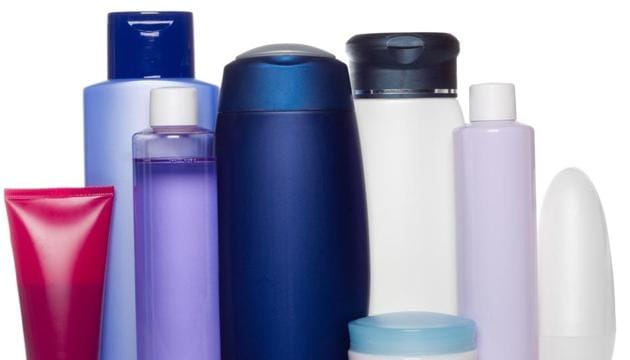
The parent’s exposure to chemicals often used as disinfectants and preservatives in household and personal products such as detergents, shampoos and conditioners may be associated with birth defects in children, researchers have warned.
The study, conducted on both mice and rats, showed that the chemicals – known as quaternary ammonium compounds or “quats” – can lead to birth defects of the brain, spine or spinal cord. “These chemicals are regularly used in the home, hospitals, public spaces and swimming pools,” said Terry Hrubec, associate professor at the Edward Via College of Osteopathic Medicine (VCOM) in Virginia, US.
“Birth defects were seen when both males and females were exposed, as well as when only one parent was exposed,” Hrubec added. For the study, detailed in the journal Birth Defects Research, the team investigated the effect of two commonly used quats – alkyl dimethyl benzyl ammonium chloride and didecyl dimethyl ammonium chloride.
These are often listed on ingredient lists as ADBAC and DDAC respectively, and are valued for their antimicrobial and antistatic properties, as well as their ability to lower surface tension.
These are used as common ingredients in cleaners and disinfectants, hand wipes, food preservatives, swimming pool treatments, laundry products, shampoos, conditioners, eye drops and other personal care products. Exposure to these chemicals also resulted in birth defects same as the defects as found in humans – spina bifida and anencephaly.
{{/usCountry}}These are used as common ingredients in cleaners and disinfectants, hand wipes, food preservatives, swimming pool treatments, laundry products, shampoos, conditioners, eye drops and other personal care products. Exposure to these chemicals also resulted in birth defects same as the defects as found in humans – spina bifida and anencephaly.
{{/usCountry}}In addition, mice and rats did not even need to be dosed with the chemicals to see the effect, but simply using quat-based cleaners in the same room as the mice was enough to cause birth defects. “We also observed increased birth defects in rodents for two generations after stopping exposure,” Hrubec noted.
Although the study was conducted on mice and rats, these chemicals may be toxic to humans as well, the researchers said.
Follow @htlifeandstyle for more
Catch your daily dose of Fashion, Taylor Swift, Health, Festivals, Travel, Relationship, Recipe and all the other Latest Lifestyle News on Hindustan Times Website and APPs.
Catch your daily dose of Fashion, Taylor Swift, Health, Festivals, Travel, Relationship, Recipe and all the other Latest Lifestyle News on Hindustan Times Website and APPs.