
 E-Paper



Restless legs syndrome ups risk of sleep disturbances in pregnancy


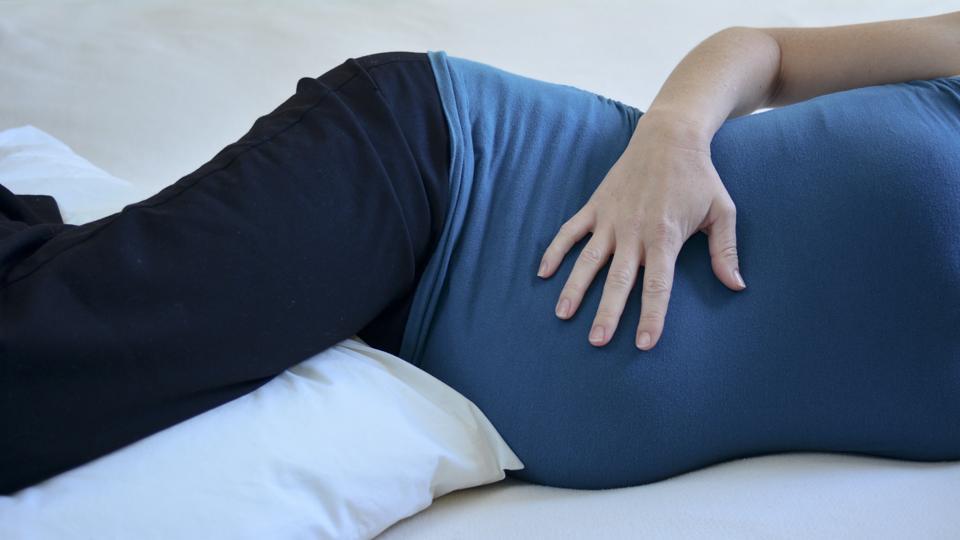
New research finds that pregnant women who have restless legs syndrome are at greater risk of experiencing poor quality sleep and excessive drowsiness during the day.
According to a new study, pregnant women who have restless legs syndrome (RLS) are twice as likely to experience poor sleep quality, poor daytime function and excessive daytime sleepiness.
RLS is an irresistible urge to move your legs typically in the evenings.
The results showed that 36% of women in their third trimester had RLS, and half of the women with RLS, had moderate to severe symptoms. The study found a positive dose-response relationship between RLS severity and the sleep-wake disturbances.
Lead study author Galit Levi Dunietz, from the University of Michigan, said that while the team expected that RLS would be relatively common in pregnant women, they were surprised to observe just how many had a severe form.
Dunietz added that these women experienced RLS symptoms at least four times per week. They analysed 1,563 pregnant women with an average age of 30 years, each of whom was in her third trimester.
RLS was diagnosed using the standardised criteria of self-reported symptoms and frequency.
Demographic and pregnancy data were extracted from medical records, and sleep information was collected with questionnaires. The study found no evidence for any association between RLS and delivery outcomes.
According to the authors, health care providers often dismiss patient complaints of poor sleep and daytime sleepiness during pregnancy. “These sleep-wake disturbances are considered common symptoms in pregnancy and are frequently attributed to physiological changes that occur in normal pregnancy, but our data suggest that RLS is an additional contributor to these symptoms,” said Dunietz.
The authors suggested that the identification and treatment of RLS in pregnancy – using non-pharmacological approaches – may alleviate the burden of these symptoms for many women.
The results appear in the journal of Clinical Sleep Medicine.
Follow @htlifeandstyle for more
Catch your daily dose of Fashion, Taylor Swift, Health, Festivals, Travel, Relationship, Recipe and all the other Latest Lifestyle News on Hindustan Times Website and APPs.


