Diamond shopping in India has changed, especially in recent years. Along with mined solitaires, buyers now encounter lab-made stones that can look identical in a ring, yet come with different price and resale behaviour. When comparing lab grown diamonds vs natural diamonds, the natural vs lab grown diamonds debate is easiest to navigate when the focus is on origin, supply, and after-sales policies.
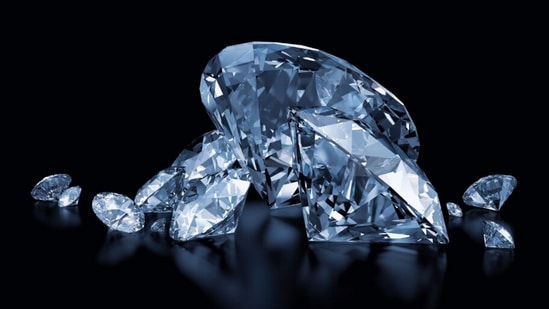
Think about how the piece will be used: a wedding solitaire, an everyday ring for work, or a gift that may be upgraded later. The differences matter most when buyers ask, “What will I pay today, and what will my jeweller honour tomorrow?”
What Are Natural Diamonds?
Natural diamonds are carbon crystals formed deep inside the earth under extreme heat and pressure, over a very long time. They reach the surface through volcanic activity and are then mined. Because they form in nature, they show natural growth patterns and tiny inclusions that gemmologists can identify.
For buyers, natural diamonds are commonly linked with:
- finite supply and rarity
- widely understood pricing across sizes and qualities
- broader acceptance for exchange or upgrade at many jewellers
- a long-standing narrative for heirloom jewellery
A mined stone in jewellery is still a real diamond – it is graded using the same 4Cs: cut, colour, clarity, and carat.
What Are Lab-Grown Diamonds?
{{/usCountry}}A mined stone in jewellery is still a real diamond – it is graded using the same 4Cs: cut, colour, clarity, and carat.
What Are Lab-Grown Diamonds?
{{/usCountry}}Lab-grown diamonds are created in facilities using technology that replicates diamond growth. Two methods dominate: HPHT (High Pressure High Temperature) and CVD (Chemical Vapour Deposition). The final crystal is also carbon in a diamond lattice, so the stone has the same hardness and brilliance as mined diamonds.
What changes is the supply model. Labs can produce consistent sizes and qualities at scale. If buyers are researching lab grown diamonds vs natural, they may notice that labs can offer higher colour or clarity grades within the same budget, which is a factor behind their growing presence.
Nature’s Gift vs Man-Made
Both categories can be visually appealing. The key difference is the story of origin and how the market treats that origin.
Natural Diamonds: Nature’s Gift
A natural diamond’s appeal is its scarcity and its geological history. Many Indian buyers value the idea that their stone is “one of one”, especially for bridal jewellery that may be worn for decades and then passed on. Natural diamonds also tend to fit traditional expectations when families compare options, because mined stones have been part of Indian fine jewellery for longer.
Lab-Grown Diamonds: Man-Made
Lab-grown diamonds are engineered for repeatability. That can be useful if buyers want a specific look, such as a larger centre stone or a cleaner face-up appearance, without stretching the budget. When people ask lab grown diamonds vs real, the answer is simple: lab-grown stones are diamonds, but their origin is industrial rather than mined.
Rare vs Unlimited Supply
Supply shapes both price and perception, and it is one of the dividers between the two categories.
Natural Diamonds: Limited and Rare
Mined diamond output is constrained by geology, mine production, and regulation. That doesn’t guarantee profit, but it does support long-term demand for certain qualities and sizes. For consumers, rarity usually translates to clearer benchmarking and a more stable upgrade path at established retailers.
Lab-Grown Diamonds: Unlimited Supply
Lab production can scale. As facilities improve, more high-quality stones enter the market, and replacement prices can fall. That’s why lab grown diamonds vs natural diamonds price often shows a wide gap in favour of lab-grown stones today. The flip side is that falling replacement prices can reduce resale value later, because the market can make more stones.
Store of Wealth vs No Exchange Value
In India, jewellery buying is often tied to value retention. Diamonds are not as liquid as gold, but exchange policies still matter.
Natural Diamonds: Good Exchange Value
Many jewellers offer upgrade or exchange programmes for certified natural diamonds, especially solitaires with reputable reports. Policies differ, yet the category has broader acceptance and more established secondary demand. If the decision is natural diamond vs lab grown, natural diamonds usually provide better future flexibility when buyers want to trade up.
Lab-Grown Diamonds: Limited Exchange Value
Lab-grown diamonds can have limited buyback or exchange options, and deductions may be higher. This reflects rapid price movement and the fact that supply is not scarce. When shoppers debate lab grown diamonds vs real diamonds, the practical issue is not whether the stone is “real”, but whether it is easy to convert back into value at a reasonable rate.
Feature | Natural diamond | Lab-grown diamond |
|---|---|---|
Origin | Formed in the earth over a very long time | Grown in a lab using HPHT or CVD |
Composition | Carbon crystal; diamond lattice | Carbon crystal; diamond lattice |
Supply | Finite and constrained | Scalable and repeatable |
Pricing pattern | Relatively steadier over time | Often declines as supply scales |
Exchange/resale | More commonly offered by jewellers | Often restricted; policy dependent |
Disclosure | Graded and sold as natural | Must be sold as lab-grown |
Price Comparison: Short-Term Savings vs Long-Term Value
Most buyers start with price, and that’s fair. Lab-grown diamonds generally deliver more size or higher grades for the same spend, while natural diamonds tend to hold category value better over time. If buyers are comparing lab diamonds vs real diamonds, it helps to treat it as a comparison of two supply chains, not two levels of sparkle.
A practical way to judge value is to compare the full bill:
- Diamond price (per carat and final stone price)
- Gold weight and purity, plus BIS hallmark on the setting
- Making charges, GST, and any stone-setting charges
- Certification fees and whether the report number is laser-inscribed
In India, buyers should ask how the brand calculates exchange: is it based on invoice value, current diamond value, or a fixed percentage? They should clarify whether the upgrade must be within a period (such as 12 or 24 months) and whether making charges carry forward. These terms can change the total value more than the grade.
Also, buyers should ask one direct question: “What happens if I want to upgrade in three years?” This matters because the lab diamonds vs real diamonds cost difference at purchase can be large, but the exchange value difference can be larger. If the budget is fixed, buyers must decide whether they prefer a bigger carat or better cut; cut often drives visible sparkle more than colour or clarity.
Emotional & Symbolic Value
Diamonds are technical, but they are also personal. Natural diamonds can feel like symbols of rarity, tradition, and continuity – qualities many families associate with weddings and milestones. Lab-grown diamonds can feel like an intentional choice: budget-efficient, design-forward, and aligned with personal views on sourcing.
A practical way to decide is to name the priority:
- Heirloom mindset: a stone intended to be passed on
- Design mindset: a bigger look and a setting that may be redesigned
- Budget mindset: maximise carat or quality now, within comfort
- Flexibility mindset: the simplest route to upgrade later
There is no single “right” emotion. The right choice is the one that fits the buyer’s life and how the jewellery will be worn.
Certification & Disclosure: What Buyers Should Know
Certification protects buyers in both categories. In Indian retail, IGI is common for mined and lab-grown stones, while GIA is widely trusted for mined diamonds in premium segments. Read the report for the 4Cs, measurements, polish, symmetry, and fluorescence. Before payment, buyers should confirm:
- The report clearly states natural or lab-grown
- The report number matches the stone’s laser inscription (if present)
- Any treatments are disclosed in writing
- Return and exchange terms are provided on the invoice
One more Indian tip: buyers should keep the invoice, certificate, and any buyback letter safely. If they move cities, these documents help them negotiate with another branch or reseller. Also insure the jewellery; many home insurance riders and standalone jewellery covers are available.
When buying a solitaire, it is advisable ask the store to show the certificate first and the stone next, then match the details. This habit prevents confusion and keeps pricing transparent.
Which One Should You Choose?
If buyers want stronger exchange options, a traditional heirloom narrative, and a clearer long-term market, natural diamonds are generally preferred. Natural diamonds are often better suited to milestone pieces – diamond engagement rings, wedding solitaires, and jewellery that may be upgraded or passed down over time.
If the priority is styling and frequent wear, lab-grown diamonds may be suitable. Lab-grown diamonds are a fit for fashion-forward jewellery – stackable rings, studs, tennis bracelets, and seasonal upgrades, where you’re buying for the look, versatility, and how often you can refresh your collection. They work well when buyers want a larger design impact within a comfortable budget, or when they prefer experimenting with new settings and trends.
Conclusion
Natural and lab-grown diamonds can both be appropriate choices when bought transparently and matched to purpose. Natural diamonds offer scarcity and generally better exchange acceptance, while lab-grown diamonds offer notable upfront value and easier access to size. Focus on verified certification, clear disclosure, and written policies from a trusted jeweller. With the right checks in place, a diamond purchase can feel rewarding today and practical tomorrow.
Note to the Reader: This article is part of Hindustan Times' promotional consumer connect initiative and is independently created by the brand. Hindustan Times assumes no editorial responsibility for the content.