A Credit Card can be useful for much more than everyday shopping for tech professionals. Software subscriptions, cloud platforms, online courses, travel bookings and digital services can become regular expenses. For founders, freelancers and professionals managing business expenses, these costs can also become difficult to track when multiple subscriptions are involved.
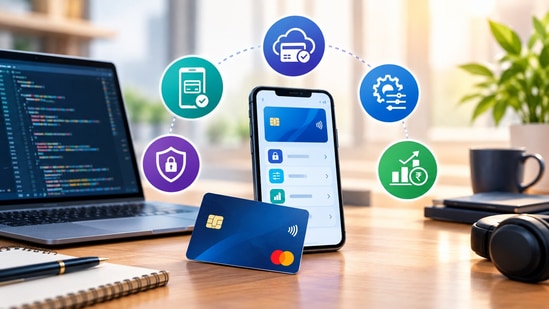
Online Credit Cards can make this easier through digital applications, virtual card access, app-based controls and spending alerts. However, the right card depends on whether you are managing personal expenses or business and software-related spending.
Why Tech Professionals May Prefer Online Credit Cards
Technology-focused users often value speed and control. An online Credit Card lets you complete the application digitally, access a virtual card and manage transactions through an app.
You can experience benefits such as:
- App-based controls for recurring online payments.
- Monitor transactions and receive alerts.
- Enable or disable online and international transactions or set spending limits.
For professionals paying for software, cloud services or advertising tools, these controls can also help separate work-related spending from personal expenses.
What Features Should Tech Professionals Look For?
Instead of choosing a Credit Card based only on its rewards, technology professionals should consider features that make digital spending easier to manage.
{{/usCountry}}Instead of choosing a Credit Card based only on its rewards, technology professionals should consider features that make digital spending easier to manage.
{{/usCountry}}• Virtual card access: A virtual card can be useful for eligible online transactions because it allows you to make digital payments without sharing your physical card details with every merchant.
• Transaction controls: Look for the ability to switch online, international or contactless transactions on or off. These controls can provide greater flexibility when managing where the card can be used.
• Spending limits: Adjustable transaction or daily limits can help control spending on subscriptions, software tools and other recurring services.
• Real-time alerts: Instant notifications can help you identify unexpected transactions quickly, especially when several subscriptions are linked to the same Credit Card.
• Digital statements: Easy access to statements can help you identify recurring charges, compare monthly spending and spot subscriptions that you no longer use.
• Easy card blocking: If your card details are compromised, the ability to quickly block or disable the card through digital banking can help reduce the risk of further unauthorised transactions.
Smart App Controls for Software and Subscription Spending
Tech professionals can use digital card controls to reduce unwanted or unexpected charges.
• Virtual cards: Use a virtual Credit Card for eligible online transactions where available, particularly when you want to avoid sharing your primary card details with multiple merchants.
• Merchant controls: Where supported, restrict spending by merchant category or transaction type. This can be useful when a card is being used specifically for software, advertising or business-related expenses.
• Dynamic spending limits: Set transaction or daily limits according to the expected subscription cost. This can help prevent unexpected charges when a service changes its billing amount.
• Transaction alerts: Enable notifications so that you know when a payment is made. This is especially useful when several recurring subscriptions are linked to one card.
How to Manage Multiple Software Subscriptions
A Credit Card can make it convenient to pay for multiple digital services, but it can also make recurring expenses easy to overlook. Create a simple monthly subscription check:
1. List your recurring payments: Note every software, cloud storage, streaming, productivity or business tool charged to your Credit Card.
2. Check the monthly cost: Small subscriptions can add up when several services are billed together.
3. Review actual usage: Cancel services that are no longer useful instead of continuing them simply because the payment is automatic.
4. Check renewal dates: Some annual subscriptions may renew automatically at a higher price or after an introductory period ends.
5. Separate personal and professional spending: Where possible, maintain a clear distinction between work-related and personal expenses to make budgeting and accounting easier.
This approach can help turn the Credit Card statement into a useful tool for monitoring digital spending rather than simply a record of payments.
What to Check Before You Apply for a Credit Card Online
Before you apply Credit Card online, look for the following factors, in addition to cashback:
- Annual, joining or renewal fee
- Interest rate
- Foreign currency markup
- Reward conditions
- Spending caps
- Eligibility requirements.
Most importantly, separate personal convenience from business requirements. A corporate card designed for team spending may offer controls that a personal Credit Card does not, while a personal card may be more appropriate for individual online purchases.
Final Word
Digital Credit Cards make payments easier, but technology should also make spending more visible. Review recurring subscriptions regularly, cancel services you no longer use and set alerts for larger transactions.
For a professional managing several software tools, even small monthly subscriptions can add upto a significant annual expense. Tracking them through a Credit Card statement or app can reveal where money is going and whether each subscription is still useful.
If used strategically, a Credit Card can make digital spending more organised without making it harder to keep your finances under control.
Note to the Reader: This article is part of Hindustan Times' promotional consumer connect initiative and is independently created by the brand. Hindustan Times assumes no editorial responsibility for the content.
The content may be for information and awareness purposes and does not constitute any financial advice.