Companies are struggling with return-to-office because they are treating it as an HR policy question. The offices they are asking people to return to were not designed for the work people do anymore. Until that changes, no policy will work.
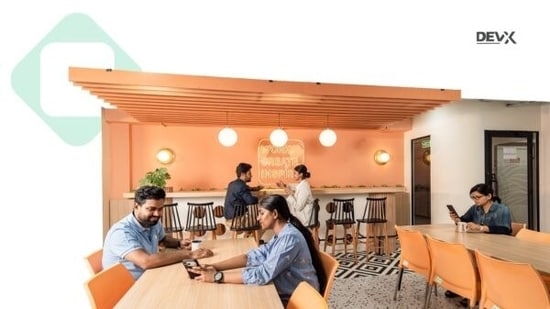
The return-to-office narrative has been locked in the wrong frame for two years. Companies set a policy. Three days a week. Four days a week. All hands in on Tuesday. The policy runs into resistance from employees who have gotten used to working remotely. HR tries to enforce it. The resistance grows. The company retreats or doubles down. The real question never gets asked, which is whether the office itself has been designed to justify coming back to it.
This is a design problem wearing an HR policy disguise. The office that worked for the pre-pandemic era, built for density and utilisation and cheap real estate, does not work for the way people work now. It has not been redesigned. It has been left as it was. Then companies wonder why people do not want to return. The honest answer is that there is nothing there worth returning to.
The companies that are solving return-to-office right now are the ones that have stopped treating it as an HR problem and started treating it as a design problem. They are asking what kind of work requires people in the same room. They are designing the office to support that work. They are redesigning the entire experience to justify the return. That approach is working. People want to be in offices that are designed with intention. They do not want to be in generic boxes where they could work from anywhere.
The Office That Does Not Justify Itself
{{/usCountry}}The companies that are solving return-to-office right now are the ones that have stopped treating it as an HR problem and started treating it as a design problem. They are asking what kind of work requires people in the same room. They are designing the office to support that work. They are redesigning the entire experience to justify the return. That approach is working. People want to be in offices that are designed with intention. They do not want to be in generic boxes where they could work from anywhere.
The Office That Does Not Justify Itself
{{/usCountry}}The return-to-office crisis in most companies stems from a single fact. The office was not redesigned for the work that people are actually doing. It is still designed for the work they were doing before the pandemic. It is still optimised for quiet individual focus at a desk. It is still built for density. It still treats collaboration as an afterthought. It still treats the facilities as a cost to minimise rather than as an asset to invest in.
When you ask someone who has gotten used to working from home to come back to that office three days a week, you are asking them to come back to something that does not work for them. The noise interrupts focus work. The space is not actually designed for collaboration. The facilities are maintained poorly. The infrastructure is unreliable. There is no good reason to be there except that the company says you have to be. That is a failing policy. It is not a policy problem. It is an office design problem.
Companies that are winning on return-to-office are starting with a different question. What is the work that actually requires people in the same room? Client conversations that require presence and immediate problem-solving. Strategy sessions that require multiple disciplines thinking together. Culture-building that requires informal connection. The work that is irreducible. Then they are asking a second question. What does a space need to look like to support that work well? The answers to those two questions determine the office design.
DevX Design & Build's approach to return-to-office strategy starts from exactly this place. Instead of asking how to fill the existing office, it asks what the office needs to be. It asks what work requires presence. It asks what that work needs. Then it designs the space around those answers. The result is an office that people want to return to because it is designed to enable the work that matters.
"The office that fails on return-to-office is the office that was not designed for the work. The office that succeeds is one where the design clearly enables something you cannot do remotely. That is the fundamental shift in how companies need to think about office design now."
— Parth Shah, Chairman, DevX
Operations Matter More When People Are Choosing to Return
The second shift is operational. When people were forced to be in the office, they tolerated operational compromises. The conference room setup that never works on the first try. The temperature is always wrong. The facilities that are not maintained. The unreliable IT. People accepted these things because they had no choice.
When people are choosing whether to return, they will not tolerate operational failures. They will choose to stay home. So companies that are trying to bring people back have to solve the operational infrastructure problem as well as the design problem. The office has to work. The facilities have to be maintained. The IT has to be reliable. The systems have to be dependable. If they are not, no policy will bring people back.
This is leading companies to completely rethink their facilities partnerships. Instead of outsourcing to the cheapest provider and accepting operational mediocrity, they are partnering with organisations that specialise in operational excellence. DevX's model across multiple cities is built around this. The space is designed well. The operations are managed to a global standard. The result is an office that people choose to return to because it actually works.
"When people are choosing to come back, every operational failure becomes a reason not to. Operational reliability becomes the prerequisite for return-to-office to work at all. That is shifting how companies are managing their facilities."
— Rushit Shah, Director Operations, DevX
Experience Design Changes the Entire Frame
The companies that are solving return-to-office are redesigning the entire experience, not just the policy. They are asking what will make the day in the office valuable. What meetings should happen in person. What should happen remotely. They are designing the office schedule around the work, not around occupancy targets.
They are redesigning the office layout to support that work. Quiet zones for focus. Real collaboration spaces, not just open plans. Privacy for sensitive conversations. Informal gathering spaces that generate the unexpected connections that remote work misses. They are redesigning the facilities to be maintained to a standard that signals the company takes this seriously.
They are building the entire experience of what it means to walk into that office. The transit access and parking. The entrance that signals something about the company. The quality of the food available. The cleanliness of the facilities. The care that shows in every detail. These are not amenities. They are signals.
A person arriving at the office is reading a hundred small messages about whether the company takes this seriously. An office that has been thought through carefully sends one message across all of them. An office that has been neglected sends the opposite message. That cumulative signal determines whether someone wants to return.
"Return-to-office succeeds when you design the entire experience, not just set a policy. You design which work happens in person and which happens remotely. You design the space to enable that work. You design the operations to support it. That is how you make return-to-office something people choose, not something they resent."
— Yash Shah, Director, DevX
The Bigger Picture
The return-to-office problem is a design problem. It is a problem of offices that were not built for the work people do now. Companies that are solving it are not solving it through policy. They are solving it through design. They are redesigning what work happens where. They are redesigning the spaces to support that work. They are redesigning the operations to ensure the space actually works.
DevX Design & Build specialises in exactly this kind of redesign. The approach is to ask what work requires presence, then build the space to enable that work excellently. DevX GCC applies this across multiple cities, ensuring that whether the office is in Bengaluru or Ahmedabad, the experience is designed to justify the return. The companies winning on return-to-office are the ones thinking this way.
The office is not disappearing. It is just finally being designed for the work that actually happens there.
Note to readers: This article is part of HT's paid consumer connect initiative and is independently created by the brand. HT assumes no editorial responsibility for the content, including its accuracy, completeness, or any errors or omissions. Readers are advised to verify all information independently.