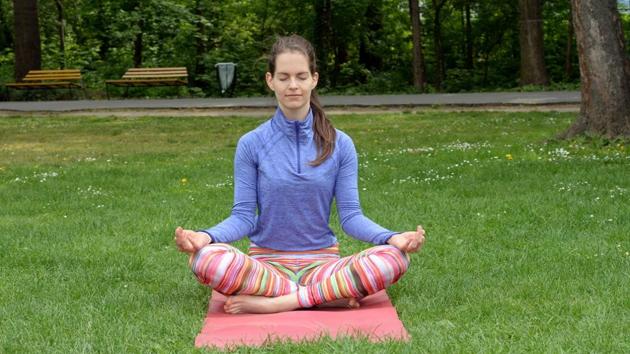
If you are diagnosed with depression, just take a deep breath and join yoga classes to experience significant reduction in symptoms without the side effects associated with antidepressants, new research suggests.
“This study supports the use of a yoga and coherent breathing intervention in major depressive disorder in people who are not on antidepressants and in those who have been on a stable dose of antidepressants and have not achieved a resolution of their symptoms,” explained corresponding author Chris Streeter, Associate Professor at Boston University School of Medicine in the US.
Major depressive disorder (MDD) is common, recurrent, chronic and disabling.
The findings, published in the Journal of Alternative and Complementary Medicine, provide support for the use of yoga-based interventions as an alternative or supplement to pharmacologic treatments for depression.
{{/usCountry}}The findings, published in the Journal of Alternative and Complementary Medicine, provide support for the use of yoga-based interventions as an alternative or supplement to pharmacologic treatments for depression.
{{/usCountry}}Due in part to its prevalence, depression is globally responsible for more years lost to disability than any other disease. Up to 40% of individuals treated with antidepressant medications for MDD do not achieve full remission.
This study used lyengar yoga that has an emphasis on detail, precision and alignment in the performance of posture and breath control.
Individuals with major depressive disorder were randomised to the high dose group, three 90-minute classes a week along with home practice, or the low dose group, two 90-minute classes a week, plus home practice.
Both groups had significant decreases in their depressive symptoms and no significant differences in compliance.
Although a greater number of participants in the high dose group had less depressive symptoms, the researchers believe attending twice weekly classes (plus home practice) may constitute a less burdensome but still effective way to gain the mood benefits from the intervention.
Compared with mood altering medications, this intervention has the advantages of avoiding additional drug side effects and drug interactions, Streeter said.
“While most pharmacologic treatment for depression target monoamine systems, such as serotonin, dopamine and norepinephrine, this intervention targets the parasympathetic and gamma aminobutyric acid system and provides a new avenue for treatment,” Streeter explained.
Follow @htlifeandstyle for more
Catch your daily dose of Fashion, Taylor Swift, Health, Festivals, Travel, Relationship, Recipe and all the other Latest Lifestyle News on Hindustan Times Website and APPs.
Catch your daily dose of Fashion, Taylor Swift, Health, Festivals, Travel, Relationship, Recipe and all the other Latest Lifestyle News on Hindustan Times Website and APPs.