A common virus in infancy could trigger a life-long allergy to gluten and lead to celiac disease, an autoimmune disorder which affects one in 133 people in the United States, researchers said Thursday.
Celiac disease is caused when the body has an improper immune response -- much like an allergy -- to the protein gluten, found in wheat, rye, and barley.
The disease damages the lining of the small intestine, and has no cure. It can only be treated by adopting a gluten-free diet.
But if Thursday’s study in the journal Science -- based on experiments using mice -- is confirmed in larger studies in people, researchers said a vaccine might be able to prevent celiac disease in the future.
“This study clearly shows that a virus that is not clinically symptomatic can still do bad things to the immune system and set the stage for an autoimmune disorder, and for celiac disease in particular,” said senior author Bana Jabri, director of research at the University of Chicago Celiac Disease Center.
{{/usCountry}}“This study clearly shows that a virus that is not clinically symptomatic can still do bad things to the immune system and set the stage for an autoimmune disorder, and for celiac disease in particular,” said senior author Bana Jabri, director of research at the University of Chicago Celiac Disease Center.
{{/usCountry}}The study found that intestinal bugs called reoviruses can make the immune system overreact to gluten, a protein that is already difficult to digest.
Given to mice, “one common human reovirus triggered an inflammatory immune response and the loss of oral tolerance to gluten, while another closely related but genetically different strain did not,” said the study.
The virus led to a surge in antibodies that may leave a “permanent mark on the immune system that sets the stage for a later autoimmune response to gluten.”
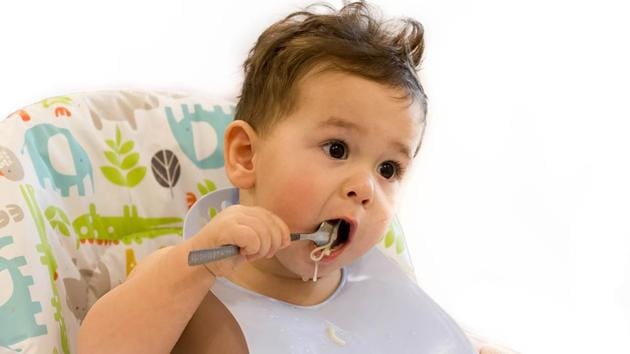
Most infants eat their first gluten-containing cereals around six months of age, a time when their immune systems are more vulnerable to viruses.
“During the first year of life, the immune system is still maturing, so for a child with a particular genetic background, getting a particular virus at that time can leave a kind of scar that then has long-term consequences,” Jabri said.
“That’s why we believe that once we have more studies, we may want to think about whether children at high risk of developing celiac disease should be vaccinated.”
Co-authors of the study were from the University of Pittsburgh School of Medicine; the University of Naples, Italy; Erasmus University Medical Center in Rotterdam, Netherlands; Massachusetts General Hospital; Harvard Medical School; the Broad Institute at MIT; the University of Montreal; and Stanford University.
Follow @htlifeandstyle for more
Catch your daily dose of Fashion, Taylor Swift, Health, Festivals, Travel, Relationship, Recipe and all the other Latest Lifestyle News on Hindustan Times Website and APPs.
Catch your daily dose of Fashion, Taylor Swift, Health, Festivals, Travel, Relationship, Recipe and all the other Latest Lifestyle News on Hindustan Times Website and APPs.