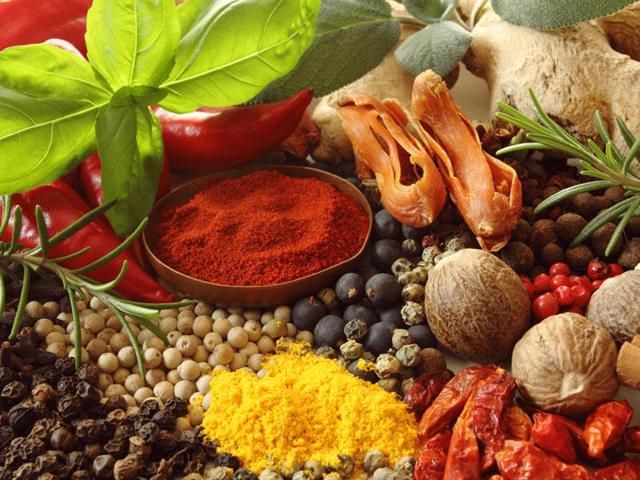
A new study has found that spices and herbs don't just add flavor to your food, but may also help boost your heart's health.
According to Penn State nutritionists, the ingredients, which are rich in antioxidants, help improve triglyceride concentrations and other blood lipids. Triglyceride levels rise after eating a high-fat meal, which can lead to an increased risk of heart disease. If a high-antioxidant spice blend is incorporated into the meal, triglyceride levels may be reduced by as much as 30% when compared to eating an identical meal without the spice blend.
Professor Sheila G. West, and Ann C. Skulas-Ray, looked at three categories of studies: spice blends, cinnamon and garlic. They reviewed several cinnamon studies that looked at the effect of the spice on both diabetics and non-diabetics. Cinnamon was shown to help diabetics by significantly reducing cholesterol and other blood lipids in the study participants. However, cinnamon did not appear to have any effect on non-diabetics.
The garlic studies reviewed were inconclusive, possibly because the trials had a wide range of garlic doses, from nine milligrams of garlic oil to 10 grams of raw garlic. The reviewers noted that across the studies there was an 8% decrease in total cholesterol with garlic consumption, which was associated with a 38% decrease in risk of heart problems in 50-year-old adults.
In the study conducted, meals were prepared on two separate days for six men between the ages of 30 and 65 who were overweight, but otherwise healthy. The meals were identical, consisting of chicken, bread and a dessert biscuit, except that the researchers added two tablespoons of a high-antioxidant culinary spice blend, which included garlic powder, rosemary, oregano, cinnamon, cloves, paprika, turmeric, ginger and black pepper, to the test meal.
{{/usCountry}}In the study conducted, meals were prepared on two separate days for six men between the ages of 30 and 65 who were overweight, but otherwise healthy. The meals were identical, consisting of chicken, bread and a dessert biscuit, except that the researchers added two tablespoons of a high-antioxidant culinary spice blend, which included garlic powder, rosemary, oregano, cinnamon, cloves, paprika, turmeric, ginger and black pepper, to the test meal.
{{/usCountry}}The researchers followed the participants for three hours after each meal, drawing blood every 30 minutes. Antioxidant activity in the blood increased by 13% after the men ate the test meal when compared to the control meal, which may help prevent cardiovascular disease and other chronic diseases.
The study is published in the journal Nutrition Today.
Catch your daily dose of Fashion, Taylor Swift, Health, Festivals, Travel, Relationship, Recipe and all the other Latest Lifestyle News on Hindustan Times Website and APPs.
Catch your daily dose of Fashion, Taylor Swift, Health, Festivals, Travel, Relationship, Recipe and all the other Latest Lifestyle News on Hindustan Times Website and APPs.