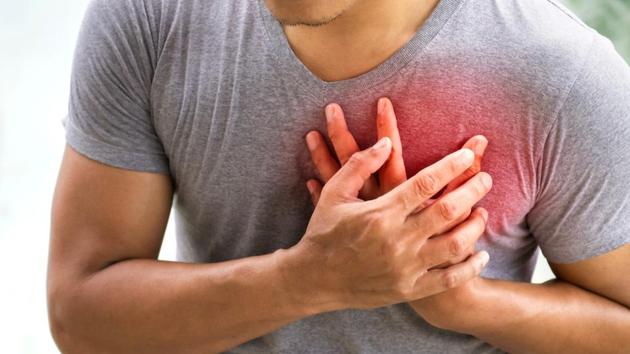
Heart attacks are more common during winter than summer months, suggests a new study conducted by cardiologists at UK’s Leeds General Infirmary on a total of 4,056 people. The study subjects received treatment for a heart attack in four separate years.
The study found that the most severe heart attacks were more deadly in the coldest months, compared to the warmest. The overall number of heart attacks was roughly the same in the coldest half of the year, compared to the warmer months, with the most serious heart attacks leading to cardiac arrest and cardiogenic shock. The risk of dying within 30 days of a severe heart attack was nearly 50% higher in the coldest months, compared to the warmest months, researchers said.
“There is no physical reason why a heart attack, even the most severe, should be more deadly in winter than in summer so we must do further research to find the cause of this difference and remedy it,” said Arvin Krishnamurthy, who led the research. “Potential explanations could include longer time to treatment, prolonged hospitalisation and delays to discharge, and increased prevalence of winter-associated infections, which in the sickest patients, could be potentially lethal,” Krishnamurthy said.
Cardiac arrest occurs when the heart suddenly stops pumping blood around the body, while cardiogenic shock is when the heart can not pump enough blood to meet the body’s needs. Both conditions are often caused by a severe heart attack, but not everyone who has a heart attack has a cardiac arrest or cardiogenic shock. “You obviously can’t choose when you have a major heart attack, but it shouldn’t have such an impact on your chances of surviving,” said Metin Avkiran, Associate Medical Director at the British Heart Foundation.
{{/usCountry}}Cardiac arrest occurs when the heart suddenly stops pumping blood around the body, while cardiogenic shock is when the heart can not pump enough blood to meet the body’s needs. Both conditions are often caused by a severe heart attack, but not everyone who has a heart attack has a cardiac arrest or cardiogenic shock. “You obviously can’t choose when you have a major heart attack, but it shouldn’t have such an impact on your chances of surviving,” said Metin Avkiran, Associate Medical Director at the British Heart Foundation.
{{/usCountry}}“It’s vital we carry out more research to find out why there are these differences, as well as continuing to do all we can to stop people having heart attacks in the first place,” said Avkiran.
Follow @htlifeandstyle for more
Catch your daily dose of Fashion, Taylor Swift, Health, Festivals, Travel, Relationship, Recipe and all the other Latest Lifestyle News on Hindustan Times Website and APPs.
Catch your daily dose of Fashion, Taylor Swift, Health, Festivals, Travel, Relationship, Recipe and all the other Latest Lifestyle News on Hindustan Times Website and APPs.