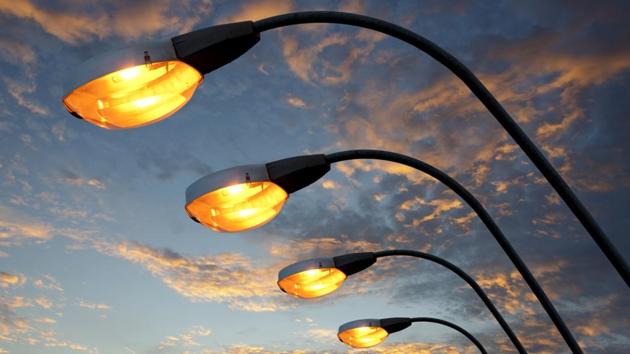
Artificial light is a necessity that makes our days more productive, but like many other conveniences, too much of it is a health hazard.
Everyone who lives in a city is affected by some form of light pollution. There’s sky glow (bright halo over urban areas at night created by light scattered by water droplets or dust particles), light trespass (artificial light from spilling over), glare (light shining horizontally), and over-illumination (overuse of artificial light, such as stores or offices lit up all night).
More than 80% of the world lives under light-polluted skies, according to the New World Atlas of Artificial Night Sky Brightness report on global light pollution published in Science Advances in 2016. The Milky Way is hidden from one-third of humanity, which explains why when an earthquake knocked out power supply in Los Angeles in 1994, emergency centres were flooded with reports about a “giant, silvery cloud” in the sky. It was Milky Way, which is obliterated by the Los Angeles’ sky glow, which is visible from an airplane more than 300 km away, according Tucson Arizona-based International Dark-Sky Association (IDA).
Artificial light disrupts the body’s 24-hour sleep-wake cycle (circadian clock), which affects hormone production, cell regulation and other biological activities, leading to insomnia, depression, heart disease, diabetes, obesity and certain cancers, such as cancers of the breast and prostate.
Insomnia: Using back-lit tablets and smartphones at bedtime suppresses the secretion of melatonin–the hormone that regulates the sleep-wake cycle–and delays sleep and lowers alertness the next morning. Compared to reading printed material, people who read on light-emitting tablets on average slept half an hour later and had suppressed levels of melatonin, according to a study in the journal, Physiological Reports.
{{/usCountry}}Insomnia: Using back-lit tablets and smartphones at bedtime suppresses the secretion of melatonin–the hormone that regulates the sleep-wake cycle–and delays sleep and lowers alertness the next morning. Compared to reading printed material, people who read on light-emitting tablets on average slept half an hour later and had suppressed levels of melatonin, according to a study in the journal, Physiological Reports.
{{/usCountry}}Depression: Chronic exposure to artificial light raises stress hormones that raise the chance of depression and lowers memory and learning, according to research done at Johns Hopkins University. The study found that blue wavelengths in bright light activate special cells (called intrinsically photosensitive retinal ganglion cells, or ipRGCs) in the retina, which affects the brain’s centre for mood, memory and learning.
Breast Cancer: The International Agency for Research on Cancer has classified shift work as a probable human carcinogen. Women who live in neighbourhoods with high outdoor light at night are at a greater risk of breast cancer, according to Harvard T.H. Chan School of Public Health researchers who used data from more than 109,000 women between 1989 and 2013. The link was stronger among women who worked in night shifts and among those exposed to higher levels of light.
Many studies, including of National Health Service (NHS) employees working on a rotating night shift in the UK, have found high breast cancer risk from exposure to artificial light. Another NHS study found nurses who worked night shifts at least three times a month for 15 years or more had a raised risk of colorectal cancer.
Heart disease, obesity: Women exposed to light at night were more likely to be overweight or obese, carry fat in the abdomen, and have abnormal blood fats (cholesterol, triglycerides, among others) levels, found a study of more than 100,000 women in the UK. All these are risk factors for heart disease and diabetes.
Incandescent reading lamps: It’s not quite possible to spend your evenings in the dark, but it’s possible to reduce exposure to blue light at least at home. Since the light-sensing ipRGCs cells in the eye are especially sensitive to blue wavelengths—found in daytime sky – avoid LCDs, LEDs, and fluorescent bulbs that favour the blue side of the spectrum to prevent your body clock from going out of whack. Instead, read in the light of circadian -friendly incandescent bulb that radiate light from heat alone that tends to be more towards the infra-red end of the spectrum.
Follow @htlifeandstyle for more
Catch your daily dose of Fashion, Taylor Swift, Health, Festivals, Travel, Relationship, Recipe and all the other Latest Lifestyle News on Hindustan Times Website and APPs.
Catch your daily dose of Fashion, Taylor Swift, Health, Festivals, Travel, Relationship, Recipe and all the other Latest Lifestyle News on Hindustan Times Website and APPs.