The Election Commission of India (ECI) has ordered a Special Summary Revision (SSR) of electoral rolls in 17 states and Union territories, with January 1, 2027, as the qualifying date. The exercise comes even as the Commission continues its Special Intensive Revision (SIR) in other parts of the country.
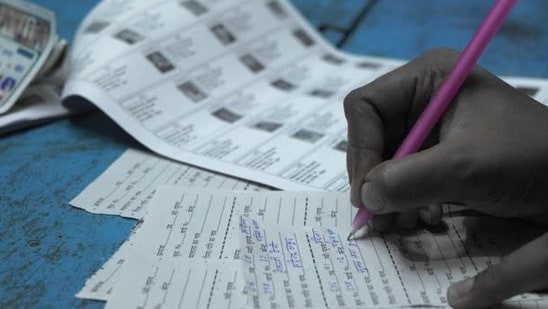
The difference between the two lies in how the electoral roll is prepared. Under SSR, the existing roll is retained and updated while the roll is prepared afresh through a more intensive enumeration exercise under SIR.
What is SSR?
SSR builds on the existing electoral roll. The process includes pre-revision checks, such as house-to-house verification by Booth Level Officers (BLOs), identification of eligible voters missing from the list, correction of discrepancies, and identification of duplicate, deceased and permanently shifted electors.
The ECI's October 15 order directs electoral registration officers (EROs) to publish an integrated draft roll, invite claims and objections, and dispose of them before publishing the final roll. For the current exercise, electors can use Form 6 for inclusion, Form 6A for overseas electors, Form 7 for objections or deletion, and Form 8 for shifting, corrections and other specified changes.
Also Read: ECI orders special summary revision of rolls in 17 states to update voter lists
{{/usCountry}}Also Read: ECI orders special summary revision of rolls in 17 states to update voter lists
{{/usCountry}}The schedule provides for draft publication on November 12, a claims-and-objections window from November 12 to December 11, disposal by December 28, and final publication on January 4, 2027. The exercise also seeks advance applications from people who will become eligible on April 1, July 1 and October 1, 2027.
How is SIR different?
SIR involves fresh preparation of the electoral roll, rather than simply amending the existing list. Under the SIR, enumeration forms are distributed to existing electors, and BLOs undertake the enumeration process. The draft roll is then prepared based on duly submitted forms, followed by a claims-and-objections process.
This means an existing entry is not simply carried forward as it is in SSR. Electors must follow the prescribed enumeration and verification process to ensure their names appear in the revised roll. The exact documentation and verification requirements depend on the applicable SIR instructions.
The SIR uses 2002-04 rolls as the baseline, as opposed to SSR which uses the last final roll.