Conservation policy can set the direction. But on the ground, outcomes depend on whether the systems, people, and resources are ready to act. Wildlife rescue and relocation are not simply about moving an animal from one place to another. They require purpose-built transport, safe holding spaces, access to difficult terrain, veterinary care, health screening and the ability to monitor an animal through its transition into a new habitat. Without this operational backbone, even the strongest conservation policy can struggle to translate into meaningful outcomes.
The work being undertaken in Banni, in collaboration with the Gujarat Forest Department and the Greens Zoological, Rescue and Rehabilitation Centre (GZRRC), Vantara, offers an example of what conservation readiness can look like in practise. The initiative is strengthening field capabilities through purpose-built wildlife transport, portable bomas, all-terrain mobility and a mobile wildlife medical unit, resources designed to help teams respond, treat and acclimatise animals where they are needed.
This matters because conservation is ultimately a preparedness exercise. Wildlife emergencies rarely happen under ideal conditions. Animals may need to be rescued from difficult terrain, transported safely over long distances, or monitored closely after release. The ability to respond quickly and humanely can make the difference between an intervention that works and one that does not.
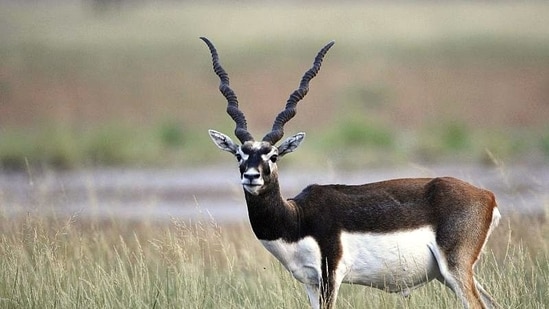
The relocation of 20 blackbucks (Antilope cervicapra) from Vantara’s GZRRC in Jamnagar to the Banni Grassland of Kutch demonstrates this approach in action. The release, undertaken by the Gujarat Forest Department with technical support from GZRRC, Vantara, followed the requisite approvals from the Chief Wildlife Warden, Gujarat, and the Central Zoo Authority. The animals, five males and 15 females, underwent veterinary examination, health screening, quarantine, disease surveillance and safe transportation before their release.
{{/usCountry}}The relocation of 20 blackbucks (Antilope cervicapra) from Vantara’s GZRRC in Jamnagar to the Banni Grassland of Kutch demonstrates this approach in action. The release, undertaken by the Gujarat Forest Department with technical support from GZRRC, Vantara, followed the requisite approvals from the Chief Wildlife Warden, Gujarat, and the Central Zoo Authority. The animals, five males and 15 females, underwent veterinary examination, health screening, quarantine, disease surveillance and safe transportation before their release.
{{/usCountry}}The significance of such an intervention extends beyond the number of animals relocated. It demonstrates how policy, institutional coordination and field capability must work together for conservation to succeed.
India has made significant progress in strengthening its wildlife protection frameworks. The next frontier is ensuring that these frameworks are supported by the infrastructure and expertise required to implement them effectively. A policy can authorise a rescue or relocation, but it is operational readiness that makes the intervention possible.
As India continues to restore and protect its natural landscapes, conservation must, therefore, be measured not only by the policies we create, but also by our ability to act when the moment demands it. Because in wildlife conservation, readiness is not an additional layer of the work; it is what turns intent into impact.
(The views expressed are personal)
This article is authored by Manoj Kumar Sharma, senior journalist and columnist on environment, education and politics.