The way we think about food has sort of shifted, dramatically maybe, over the last few years. Lately, getting groceries isn’t just about taste, convenience, or even cost. People have started to wonder more, like where the food comes from, how it was cultivated, and what is actually ending up on their family’s plate. And with fears about adulteration, heavy processing, and chemical use that keep growing , trust starts to matter almost as much as nutrition itself.
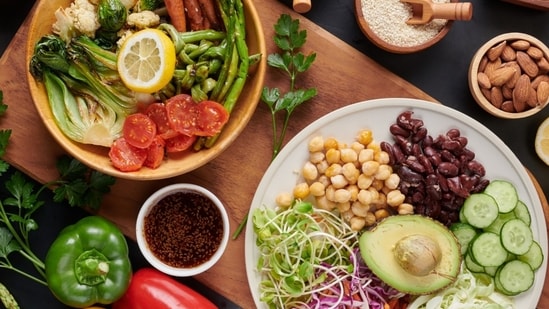
What is interesting is that rebuilding this trust may not ask us to reinvent agriculture. It may simply ask us to rediscover the principles that have shaped Indian farming for generations. Yes, for generations, Indian farming was centered on growing food that stayed as near to its natural form as possible, maybe even a bit hands-off in how it was handled. Farmers depended on crop rotation, organic manure, natural pest management, and seasonal cultivation, rather than too much chemical interference and assistance. Food moved from the farm to the kitchen with very little processing. In a way, it helped keep both the nourishment intact and the real authenticity. Honey was collected as raw as it could be, rice kept its natural bran layer. Traditional oils were squeezed through slow cold pressing, so it didn’t get hurried. Even jaggery was made without artificial refining. The main idea wasn’t only to push higher yield but to make sure the food remained wholesome, nourishing, and without any unnecessary additives, or at least with as few as possible.
Later on, once production got more industrialised, the attention kind of drifted—slowly, maybe—toward longer shelf life, a sort of uniform look, and bigger distribution. Sure, these upgrades made food more available and convenient, but at the same time they also pulled in more processing, plus the frequent use of preservatives, stabilisers, artificial flavours, and other added extras inside lots of packaged items. Because of that, more people began asking what is actually in everyday foods and if convenience has been swapped off against nutritional quality, even when it isn’t always easy to see right away.
{{/usCountry}}Later on, once production got more industrialised, the attention kind of drifted—slowly, maybe—toward longer shelf life, a sort of uniform look, and bigger distribution. Sure, these upgrades made food more available and convenient, but at the same time they also pulled in more processing, plus the frequent use of preservatives, stabilisers, artificial flavours, and other added extras inside lots of packaged items. Because of that, more people began asking what is actually in everyday foods and if convenience has been swapped off against nutritional quality, even when it isn’t always easy to see right away.
{{/usCountry}}Meanwhile, consumers are becoming more attentive too. People now spend a bit more time scanning ingredient lists, trying to choose foods with fewer added things, and they lean toward products that seem to function closer to their natural condition. This doesn’t feel like just another trendy moment, or a quick, sudden fad. It seems more like awareness is genuinely rising. And honestly, regular food choices, day after day can steer long-term health and overall well-being in subtle ways that quiet add up, over time.
One of the biggest worries lately is the rising level of processing in foods that people used to eat in something close to their natural form. Honey, for instance, has long been treated as a naturally preserved food that needs little or no artificial intervention. Still, there are reports about adulteration, like sugar syrups added in, plus an overall too much processing, and well this brings doubts about both its real identity and the nutritional value too. Similarly, polished white rice might look nicer on the plate, but during milling it loses a lot of fibre, vitamins, minerals, and antioxidants because the bran and germ get removed. On the other side, hand-pounded and only lightly polished rice keep far more of those important nutrients.
Also, health experts have flagged the growing intake of ultra-processed foods as one of the factors tied to lifestyle-related conditions like obesity, type 2 diabetes, cardiovascular disease, and metabolic disorders. Regulators approve certain preservatives, and within set limits they really do keep food safe, technically. Yet, more families are asking for something plainer, they want to read a label and recognise every name on it. They want food that has been handled as little as possible. To me, this is not just about transparency, it is about wanting food that feels honest, and genuinely worth of trust.
The renewed popularity of millets, cold-pressed oils, jaggery and other minimally processed staples is a solid example. None of this is new to Indian kitchens. These foods were always there. They are only finding their way back to our daily meals because people once again value what is simple and honest. Consumers are not learning to trust these foods. They are remembering that they always did.
But trust isn’t formed only from ingredients. It starts way earlier, at the farm. More than ever, consumers want to understand how their food is produced. They care about where the ingredients are sourced from, how the crops are cultivated, and if quality standards are consistently maintained. When brands openly share this kind of information, they do more than just advertise a product. They build credibility. This kind of transparency gives consumers confidence for informed choices, and it also strengthens the link between those who grow food and those who consume it.
Traditional farming kind of shows this key idea: healthy farming practices and good quality food really go together. Like, when the soil stays healthy, the crops usually follow, and stay healthier too. Also farming that protects biodiversity and curbs too much reliance on chemicals helps keep agricultural productivity steady, over the long haul. When farmers are supported through fair partnerships, and people nudge responsible cultivation practices, the payback isn’t just for one single harvest. It tends to spread further than most people expect.
But still, that doesn’t mean modern agriculture should just sit on the sidelines. Our country's food needs have grown enormously in a few decades. Innovation has a real role to play here. It helps us produce more, keep food safer, and move it to families more reliably. Yet I have never seen science and tradition as opposites. Our farmers carry generations of practical wisdom. When that wisdom meets modern progress, we get the best of both. That, to me, is the real opportunity.
Modern ways too, like better testing systems, stronger traceability, and tighter quality controls, can make food systems feel more accessible and even more dependable. At the same time older know how still matters; it helps keep nutritional value intact, supports healthier ecosystems, and encourages growing practices that stay more sustainable over the long run.
Consumer awareness is also part of the bigger picture. People seem more aware lately, which is honestly a good sign. Still, a lot of families tell me they feel kind of lost at the shelf. Labels are dense, ingredient lists carry names nobody recognises, and how the food was actually made is rarely explained clearly. Wanting to eat well is one thing, knowing how to choose is another. It gets confusing not because they don’t care, but because the wording feels elaborate, or the process is a bit hard to pin down. When a family learns to read a label properly, something shifts. They pick with clarity, not just because a clever statement sits up front on the pack. I like to see that, even if it asks more from us as producers. An informed consumer keeps everyone in check, from the farm where the crop starts, to the shelf where it finally rests. That’s how the whole chain can become more truthful.
In the end, trust is not something you can just build with advertising campaigns, or with polished product claims. Trust grows slowly, it develops through consistency, dependable quality, and plain speaking. From careful sourcing and thoughtful cultivation, to clear communication and steady quality standards, each step supports the next, and together it strengthens the link with the people who buy the food.
Our agricultural roots still have much to teach us. Generations of farmers understood a simple truth. Healthy soil gives healthy crops, and healthy crops build healthy communities. As more families seek food that is authentic, nutritious, and responsibly produced, that old wisdom feels newly urgent. The future is not asking us to choose between traditional and modern farming. It asks us to take the best of both. Responsible practices, honest innovation, transparency, and an informed consumer can together build a food system that meets our needs and restores trust in what we eat.
At its core, trust starts with something fairly simple. When food is grown responsibly, sourced with integrity, and shared transparently, it does more than just nourish us, It gives us confidence in every meal we bring to the table.
(The views expressed are personal)
This article is authored by Pallavi Sinha, managing director, Adya Organics.