International Coffee Day (October 1) is the perfect time to celebrate India’s coffee journey. It’s believed that it all began in the 1600s when Sufi saint Baba Budan brought seven coffee seeds from Yemen to Karnataka, unknowingly sparking India’s rise as the world’s seventh-largest coffee producer.
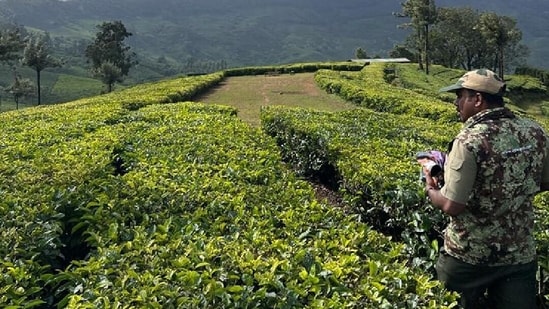
Since then, Indian coffee has gained a loyal following both at home and abroad. Rising incomes have boosted domestic consumption, while globally, Indian coffee is prized for its rich flavours. The first half of January this year saw India export over 9,300 tonnes of coffee, with top buyers including Italy, Belgium, and Russia.
Coorg, Karnataka
Coorg is famous for its coffee estates, offering many homestays and unique experiences. Ama Plantation Trails, with its heritage bungalows turned guest houses, features butler and cook services, plantation safaris, and early morning landscape walks. Coorg mainly grows Arabica (smooth and sweet) and Robusta (bitter and strong), with Arabica thriving at higher altitudes. Visitors can pluck coffee cherries, learn processing and tasting, and enjoy plantation safaris. “On a trip, the plantation workers explained how these flowers would become coffee berries — the coffee berry is harvested, and its fruit layers are removed via washed or natural methods. The resulting green beans are dried, milled, and then roasted, a crucial step that develops their aroma and flavour,” recalls travel blogger Shubham Mansingka.
Cost of stay: From around ₹7,000- ₹15,000 per night
Chikkamagaluru, Karnataka
{{/usCountry}}Cost of stay: From around ₹7,000- ₹15,000 per night
Chikkamagaluru, Karnataka
{{/usCountry}}Chikkamagaluru is famous for its Arabica coffee, especially medium-bodied beans with floral notes. Proximity to nature and coffee plantation without premium estate charges; you get plantation views, quiet walks, stargazing, and bird life. You also get to have conversations with planters about cultivation and home-brewed coffee. “There are some famous treks, sightseeing points, it’s like a hill station. In fact, Baba Budan, who got coffee in India, planted it in the Western Ghats. There is a Baba Budangiri hill in the Chikkamagaluru district as well,” says Deepanshu Soni.
Cost of stay: Approx ₹1,800- ₹2,000 per night (two guests).
Araku Valley, Andhra Pradesh
In the Eastern Ghats, Araku Valley is known for its coffee processing, coffee museums and several plantations where Arabica is grown organically under the forest canopy. Coffee plantations are often smallholder and tribal-run, giving visitors a chance to see beans cultivated traditionally. Estates such as Naandi Araku Coffee offer plantation walks, hands-on experiences with harvesting, and cupping sessions.
Cost of stay: Homestays or eco-lodges start at around ₹2,000- ₹ 4,000 per night
Nagaland
The Northeast is emerging as a speciality coffee region, with organic Arabica grown under forest canopy. Nagaland’s coffee has also gained international recognition, with several awards under its belt. Tribal farmers welcome visitors for farm walks and tastings, supported by entrepreneurs and cooperatives. “Visitors can meet tribal farmers, learn traditional cultivation methods, watch dances, and try local food,” notes Shenaz.
Cost of stay: Stays are usually basic homestays or eco-lodges, starting at approx ₹2,000- ₹4,000 per night, often organised via local tourism boards or travel groups
Wayanad, Kerala
For a day-long immersion, Wayanad’s plantation trails blend coffee and spice farms. For the full experience, stay at an estate like Coffee Acres Resort. Dominated by Robusta coffee, the region is also a biodiversity hotspot. Visitors can walk through plantations, observe harvesting, fermentation, and roasting, and participate in tasting sessions. Many experiences here also highlight sustainable agriculture practices like mixed cropping, crop rotation, and more.
Cost of stay: Experience packages start around ₹2,800- ₹3,500 per person (day-long)
Munnar and Thekkady, Kerala
In Idukki’s hill districts, coffee is often grown with spices like cardamom and pepper. Both Arabica and Robusta are shade-grown, often organically. Estates like Lockhart in Munnar and Kumily in Thekkady offer plantation walks through coffee and spice gardens. “Some estates host coffee tasting and roasting demonstrations. You can combine coffee trails with spice plantation visits and take a boat ride in Periyar Tiger Reserve, making it both an agritourism and wildlife experience,” suggests content creator Shenaz Treasury.
Cost of stay: Plantation stays in Munnar start around ₹3,000- ₹7,000 per night, depending on whether you choose homestays or resorts