
 E-Paper



14 Maoists killed in 2 gunfights with security forces in Chhattisgarh’s Bastar
A police officer said at least 12 cadres were killed in Sukma district, while two others died in the adjoining Bijapur district during the early hours of Saturday.

 Prefer HTon Google


RAIPUR: Fourteen Maoists were killed in two gunfights with security forces in the Bastar region’s Sukma and the adjoining Bijapur district on Saturday, police said.
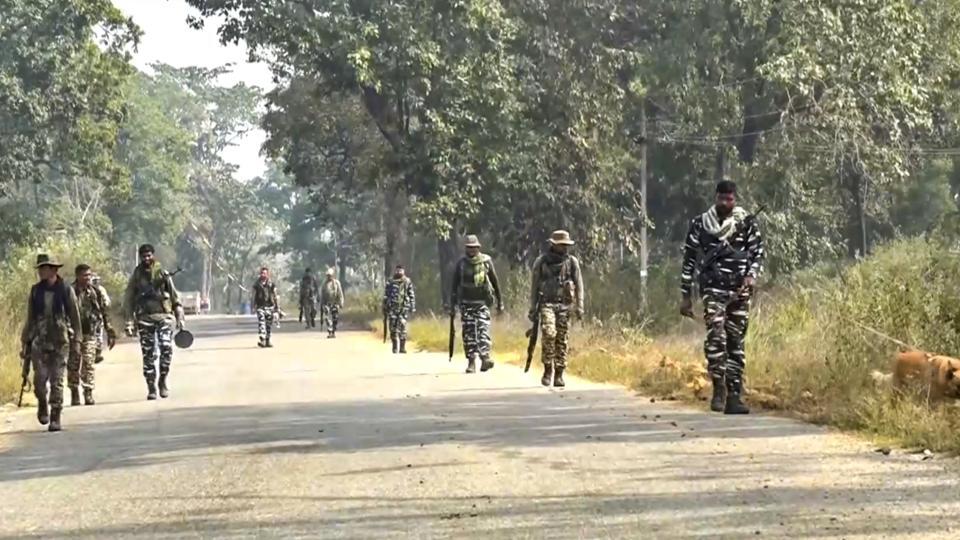
A police officer said at least 12 cadres were killed in Sukma district, while two others died in the adjoining Bijapur district during the early hours of Saturday. The deceased are yet to be identified.
In Sukma, the gunfight started in a forested area in the southern part of the district when a team of security personnel was out on an anti-Maoist operation, a senior police officer said.
Also Read: Weeks after Hidma killed, most wanted Maoist commander Barse Deva surrenders
“At least 12 cadres have been neutralised so far. The operation is still underway, and more details will be shared later,” the officer said.
In Bijapur, the gunfight occurred at about 5 am, when a team of the District Reserve Guard, a specialised unit of the state police raised to fight Maoists, was conducting a similar operation, another official said. The bodies of two Maoists were found at the spot.
Officials said intermittent firing was still underway at both locations and a complete picture would emerge after the conclusion of the operations.
Police said 285 Maoists were killed in encounters with security forces in Chhattisgarh last year.
-kW0H-U20214218012MgB-250x250%40HT-Web.jpg)


