Human-elephant conflicts have led to the deaths of 628 people just last year, the highest in the past five years, the Union environment ministry told the Lok Sabha on Monday.
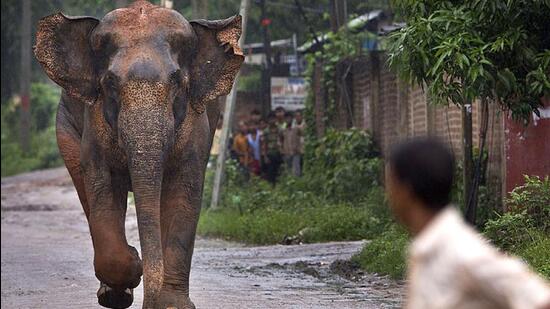
In 2019-20, there were 595 deaths; 479 in 2020-21; 571 in 2021-22; 610 in 2022-23 and 628 in 2023-24. The maximum cases last year were reported from Odisha (154), followed by West Bengal (99) and Jharkhand (87).
The ministry further said that 74 people had died in human-tiger conflicts last year. In 2020, that number stood at 51; 60 in 2021; 111 in 2022 and 86 in 2023. Five people died in Uttarakhand last year, up from 0 in 2023; 3 in 2022; 1 in 2021 and 0 in 2020. Assam also reported 4 human deaths in tiger attacks, up from 0 since 2020.
Kirti Vardhan Singh, the minister of state for environment, revealed the day while responding to a questions by Kerala Congress MPs Shafi Parambil; M Raghavan; Adoor Prakash; VK Sreekandan; NK Premachandran; Anto Antony and Dean Kuriakose on whether the government was aware of the serious issue of human-animal conflicts and wild animal attacks in the country, and if so, the details of the people injured or deceased, agricultural loss and the compensation awarded to the victims’ families in the last five years.
Singh said incidences of human-wildlife conflicts have been reported from various parts of the country, including from the state of Kerala.
{{/usCountry}}Singh said incidences of human-wildlife conflicts have been reported from various parts of the country, including from the state of Kerala.
{{/usCountry}}“The ministry has received a request from the State Government of Kerala seeking amendment to Wildlife (Protection) Act, 1972, for management of human wildlife conflict in the State. The ministry has examined the matter. At present, there is no proposal to amend the Wild Life (Protection) Act, 1972. Further, provisions under Section 11 (1) (b) serve the purpose of site specific management of the population of wild animals listed in Schedule II of the Act, as well as maintain healthy ecosystems, as against generic declaration of such species as vermin,” Singh has said in a written response.
Further, the Wildlife (Protection) Act, 1972, empowers state governments and Union Territory administrations to appoint a chief wildlife warden, wildlife wardens and honorary wildlife wardens.
“In case wild animals listed in Schedule II of the Act have become dangerous to human life or to property (including standing crops), the chief wildlife warden or any authorised officer is empowered to grant permits for hunting of such wild animals or groups of animals,” it said.
The ministry has issued holistic advisories and guidelines, including species specific guidelines, to the state governments and Union Territory administrations to deal with human–wildlife conflict situations. The guidelines provide for the constitution of state level coordination committees, who are entrusted with monitoring human-wildlife conflict cases and their geographical spread, and provide guidance to different departments for actions to be taken to minimise and prevent human wildlife conflict in those areas, the MoEFCC has said.