E-Paper



Ahead of US-Taliban deal, foreign secretary meets top Afghan leaders
India has been keeping a close eye on developments related to the US-Taliban deal, expected to be signed in Doha on February 29, especially because of the terror group’s close links with Pakistan.


Foreign secretary Harsh Shringla on Friday made Afghanistan the first stop on a planned tour of the neighbourhood, meeting top leaders in Kabul for talks a day ahead of the inking of a deal by the US and the Taliban that will lead to a drawdown of American troops.
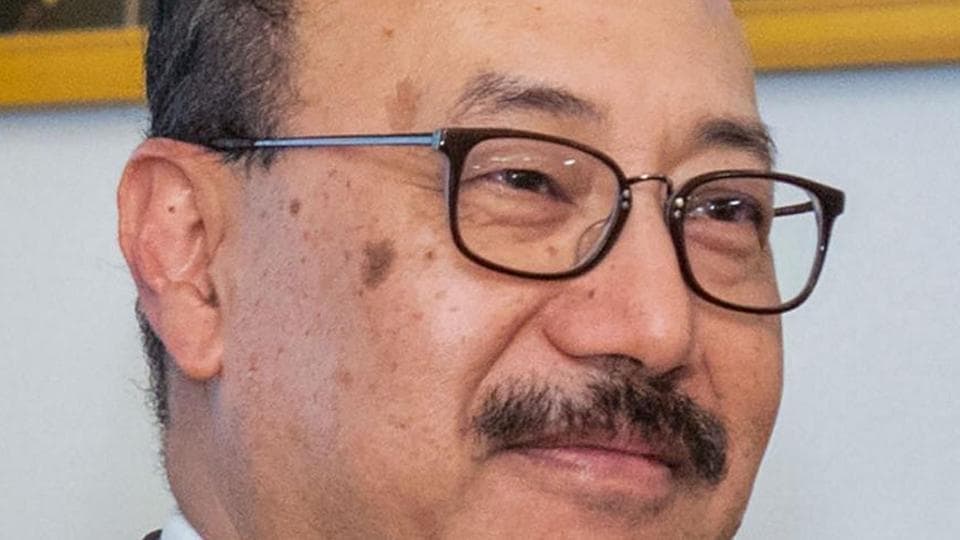
On his first foreign visit since he assumed office last month, Shringla met Afghan National Security Adviser Hamdullah Mohib and acting foreign minister Haroon Chakhansuri, and discussed political and security issues, including the peace process. He is also expected to meet President Ashraf Ghani.
India has been keeping a close eye on developments related to the US-Taliban deal, expected to be signed in Doha on February 29, especially because of the terror group’s close links with Pakistan.
Shringla’s discussions in Kabul focussed on the deal and protecting Indian interests in Afghanistan and the region, said a person familiar with developments who declined to be named. He also reiterated India’s commitment to stand with Afghanistan as it pursues sustainable peace and reconciliation.
The US-Taliban deal, expected to reduce the number of American troops in Afghanistan from 13,000 to 8,600 over the next few months, figured in talks earlier this week between President Donald Trump and Prime Minister Narendra Modi.
During the talks, the US president is understood to have said that Pakistan Prime Minister Imran Khan had sought mediation by the US during all their meetings, but Trump had shown no inclination to do so. Khan’s requests, people familiar with the discussions said, had become a “nuisance at the personal level” but it was necessary for the US to deal with him to achieve its objectives in Afghanistan.
The Indian side has drawn comfort from the US assertion that it didn’t see Pakistan as a “trusted friend”, the people cited above added.
The people said the Indian side conveyed to US interlocutors it understood Pakistan’s cooperation is crucial for the deal with the Taliban but this shouldn’t lead to any easing of the pressure on Islamabad to crack down on terror groups based on its soil.
“During talks on counter-terrorism, we discussed the need for the US to keep up pressure on Pakistan. The US needs to verify and keep a close eye on things so that Pakistan continues to be on the straight and narrow,” said a second person who too spoke on condition of anonymity.
The Indian side also highlighted the need for keeping up pressure on Pakistan at forums such as the Financial Action Task Force (FATF), the second person said.
During the Trump-Modi talks, the Indian side also highlighted the importance of intra-Afghan talks and an Afghan-led, Afghan-owned and Afghan-controlled process in finding a final solution.
“The troop drawdown shouldn’t be too precipitate and the US should keep in mind that we shouldn’t lose the gains of the past 19 years in terms of the Afghan Constitution, rights of women and minorities, and the Afghan National Defence Forces,” the second person said.
The second person added the US has indicated it is retaining a “strong deterrent capability” in Afghanistan so that any violations of the deal can be dealt with “with a heavy stick”.
The Qatar government has invited India to the ceremony where the US-Taliban deal will be signed on Saturday, and the country will be represented by the ambassador in Doha, P Kumaran. This will be the first time in recent decades that an Indian official will be present at an event involving Taliban delegates.
Anwesha Ghosh, a research fellow at the Indian Council of World Affairs, said: “With the impending reduction of US forces [in Afghanistan], the question is whether India’s present and future contributions will be under some threat.”
She added, “It is imperative that India reviews all options in Afghanistan and formulates policies that remain compatible with the changing realities of the strife-torn country.”