Amid the ongoing novel coronavirus (COVID-19) outbreak, fresh cases of H1N1 virus causing swine flu have emerged in the country. In view of this, the Confederation of Medical Associations in Asia and Oceania (CMAAO) issued an advisory on Wednesday.
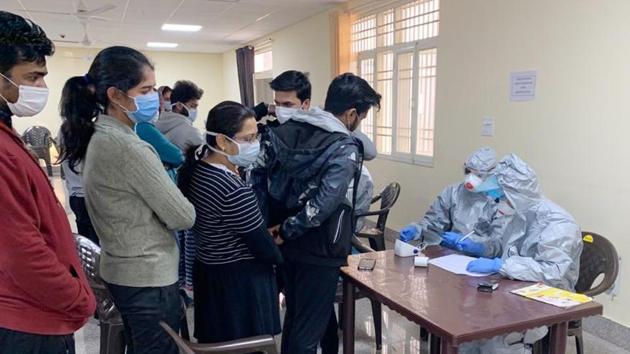
According to the Ministry of Health and Family Welfare on Tuesday, five judges of the Supreme Court were infected by H1N1 virus causing swine flu, while three of them have resumed duties, two were recuperating and were being kept in isolation in their homes.
H1N1 is a seasonal infection and occurs every year with two peaks (January-March and July-September).
Swine flu was pandemic in 2009 worldwide. Since then it is considered as an endemic virus with focal outbreaks in winter.
According to K.K. Aggarwal, President CMAAO, “When indicated, antiviral therapy should be initiated as soon as possible since antiviral therapy is most likely to provide benefit when initiated within the first 48 hours of illness.”
In a public healthcare advisory, doctor said that the mitigation precautions include respiratory hygiene and cough etiquette combined with hand wash contact precautions. The precautions are same as for any coronavirus.
“Remember no fever, no flu. All mild cases should be treated with online consultations and all individuals with severe disease (requiring hospitalisation or with evidence of lower respiratory tract infection) or at high risk for complications should receive antiviral drugs,” Aggarwal said.
{{/usCountry}}“Remember no fever, no flu. All mild cases should be treated with online consultations and all individuals with severe disease (requiring hospitalisation or with evidence of lower respiratory tract infection) or at high risk for complications should receive antiviral drugs,” Aggarwal said.
{{/usCountry}}Treatment should not be delayed while awaiting the results of diagnostic testing, nor should it be withheld in patients with indications for therapy who present before 48 hours after the onset of symptoms, particularly among patients requiring hospitalisation, according to Aggarwal.
“Patients who have a negative rapid antigen test for influenza, but in whom the clinical suspicion for influenza infection is high should be treated with antivirals since the sensitivity of these tests may be low,” he said.
“Give antivirals to symptomatic health care providers with uncomplicated influenza who are not at high risk for influenza complications, but who routinely care for patients at high risk for influenza complications, particularly those who are severely immunocompromised,” he added.
On last Thursday, business software solutions major SAP India said it has shut all its offices in the country for sanitisation after two of its employees were tested positive for swine flu (H1N1).
In Kashmir, 18 positive cases of swine flu were admitted to the Sher-i-Kashmir Institute of Medical Sciences (SKIMS) in Srinagar.