
 E-Paper



Ancient Shaiva and Buddhist sculptures unearthed in Odisha's Bhadrak district
The find includes 18 sculptures, some of which are rare representations of Shaiva and Buddhist deities, dating back to the 6th or 7th century CE.

 Prefer HTon Google


Ancient sculptures, including remnants of Shaiva and Buddhist deities, have been discovered along the Baitarani River in Odisha’s Bhadrak district, news agency PTI reported on Friday citing researchers.
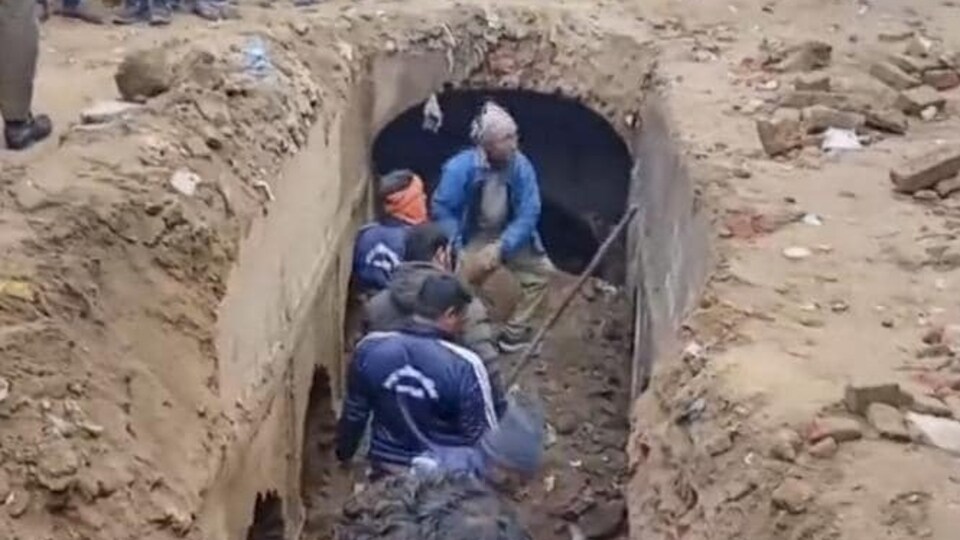
The find includes 18 sculptures, some of which are rare representations of Shaiva and Buddhist deities, dating back to the 6th or 7th century CE.
The artefacts were discovered earlier this week near the village of Maninathpur in the Bhandaripokhari block. The researchers said the items found included intricately carved miniature temples and 'argha stupas'.
They added that the findings are anticipated to offer insights into the region's blended cultural heritage and draw more interest from researchers and historians.
How did they come to light?
During his morning walk, local youth Bibekananda discovered a statue and immediately alerted members of the Indian National Trust for Art and Cultural Heritage (INTACH) and young researcher Biswambhar Raut.
Raut visited the site and identified 18 ancient sculptures and small temples scattered across the area. The sculptures feature Shaiva deities, including Shiva, Parvati, and Ganesh, as well as Buddhist icons such as Buddha, Tara, and Padmapani.
The sculptures have been transferred to the Buddhist Vihara Museum for preservation and display.
"After receiving information about the discovery, we alerted the INTACH members, who then ensured the ancient sculptures were stored in the museum," said Tanuja Sirka Singh, the District Culture Officer of Bhadrak.
Renowned archaeologist Sunil Pattnaik, upon inspecting the site, confirmed the significance of the artefacts. He identified them as Shaiva and Buddhist sculptures made from Khondalite stone, dating back to the 6th–8th centuries CE.
Pattnaik praised the artistic excellence of the sculptures, which include depictions of Shiva, Parvati, Ganesha, Buddha, Padmapani, Tara, Bhairava, and dancing figures.
These artefacts, some miniature temples standing up to 4.5 feet tall, are invaluable cultural and religious symbols representing Shaiva and Buddhist heritage.
Earlier this month, authorities in Uttar Pradesh's Sambhal reported the discovery of three idols near the newly uncovered ancient Hindu temple. The Shiv-Hanuman Temple in Sambhal, which had remained closed since 1978, was reopened on December 14.
Sambhal's Additional Superintendent of Police (ASP), Shrish Chandra, who held the three broken idols, stated that they were found while digging a well.
"There is an idol of Lord Ganesh, the other one seems to be of Lord Kartikeya, more details are being sought. There was debris and soil in the well. The idols were discovered when it was dug...The area has been secured so that excavation can be done smoothly," he added.
(With PTI inputs)


