India celebrates its Independence Day annually on August 15, marking the historic day in 1947 when the nation gained freedom after roughly 200 years of British rule. The occasion is commemorated with immense fervor and joy across the country, in government offices, educational institutions, private organisations, residential societies, and homes alike.
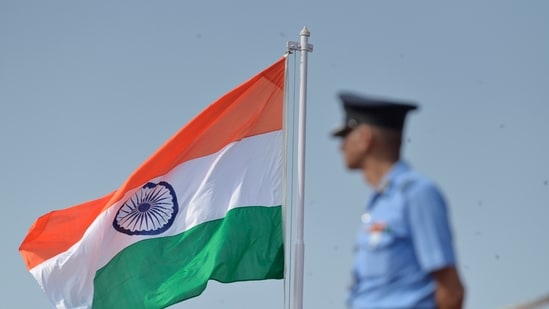
People celebrate the day through various traditions, most notably by hoisting the national flag, unfurling the Tricolour, and singing the national anthem and national song.
The hoisting and handling of the flag are strictly guided by the Flag Code of India to preserve its honour.
Deep Dive
What materials can the Indian national flag be made from?
How should the Indian national flag be displayed at home?
What are the key dos and don'ts when hoisting the Indian national flag?
The Flag Code of India governs the display of the national flag by all institutions.
Also Read | Independence Day 2026: How to properly display, handle the Indian flag - Your six-point tricolour guide
Dos and don'ts for hoisting the national flag
Check out the rules for hoisting the national flag on August 15:
1- What material should be used for the national flag?
{{/usCountry}}Check out the rules for hoisting the national flag on August 15:
1- What material should be used for the national flag?
{{/usCountry}}According to the information available on PIB, the national flag shall be made of handspun and handwoven or machine-made cotton, polyester, wool, silk, khadi bunting.
2- Timings
When the national flag is displayed in the open or on the house of a member of the public, it may be flown day and night.
3- Can the national flag be displayed at home?
Members of the public, private organisations and educational institutions may hoist and display the national flag on all days and occasions, provided its dignity and honour are maintained, according to the PIB.
4- Position of honour
Whenever the flag is on display, it should occupy the position of honor and should be distinctly placed.
Also Read | Minute-by-minute of August 15: What exactly happens at Red Fort on Independence Day
5- Other things to always remember while hoisting or displaying the national flag:
- The national flag should not be flown from a single masthead simultaneously with any other flag.
- Never hoist the national flag upside down. The saffron band should not be the bottom band.
- It shall not be dipped in salute to any person or thing.
- Never let it touch the ground, floor, or trail in the water.
- Never hoist a damaged or disheveled flag.
- Never write on the national flag.
- It shall not be used to cover a speaker's desk, nor shall it be draped over a speaker's platform.
- It shall never be used as a portion of costume, uniform, or accessory of any description which is worn below the waist of any person, nor shall it be embroidered or printed on handkerchiefs, napkins, cushions, undergarments, or any dress material.
India's Independence Day
The path to independence for India was long. Countless freedom fighters made extraordinary sacrifices to break the colonial rule and secure the nation's future.
Every year on August 15, India comes together not only to celebrate its independence, but to pay tribute to the heroes who brought freedom to life.
The national ceremony takes place at the historic Red Fort in Delhi. The Prime Minister hoists the national tricolour. Following the ceremony, the PM delivers an address to the nation.
Similarly, the ceremonial flag hoisting and parades take place in all state capitals, presided over by the chief ministers.
Independence Day serves as a moment of celebration and reflection for all the citizens.