In a dramatic turn of events, the Bar Council of India (BCI) on Thursday evening withdrew its order freezing the enrolment of the entire 2026 graduating batch of NALSAR University of Law, Hyderabad, just hours after directing all state bar councils not to enrol any student from the batch pending an inquiry into a campaign opposing Chief Justice of India Surya Kant’s participation in the university’s convocation.
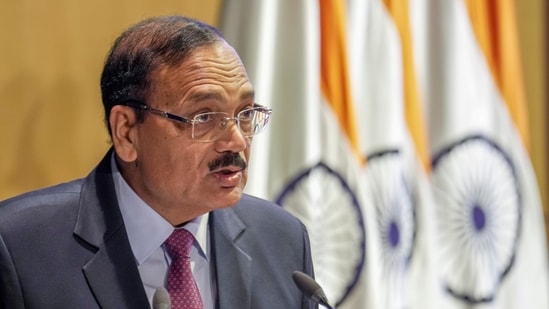
In a communication issued late on Thursday evening, BCI Chairman Manan Kumar Mishra said the Council had “thoroughly discussed and deliberated” on his earlier letter and modified the direction imposing the enrolment ban. The Council, he said, was of the unanimous view that, according to the “latest report”, the vast majority of NALSAR’s 2026 graduating students were innocent and had not intended to participate in any move to show disrespect.
Deep Dive
What prompted the Bar Council of India to initially freeze the enrolment of NALSAR's 2026 graduating batch?
Why did the Bar Council of India withdraw its order to freeze the enrolment of NALSAR students?
How did the response from students at NALSAR influence the Bar Council of India's actions?
“Accordingly, the Council modifies the order of chairman with regard to the ban on the enrolment of the NALSAR students with the State Bar Councils. All the students will be entitled to get enrolled with the state bar councils of their choice,” the amended order said.
BCI to continue factual inquiry over CJI row
The BCI, however, has decided to continue with the factual inquiry into the controversy. The fresh letter said the Council had received reports from “reliable sources” that a handful of teachers and outsiders were instrumental in “instigating the innocent students”.
{{/usCountry}}The BCI, however, has decided to continue with the factual inquiry into the controversy. The fresh letter said the Council had received reports from “reliable sources” that a handful of teachers and outsiders were instrumental in “instigating the innocent students”.
{{/usCountry}}“The Council will wait for the inquiry report of the learned vice-chancellor and the further action will be taken after receipt of the report,” Mishra said.
To be sure, the Advocates Act, 1961 leaves no room for a blanket freeze of enrolment by an administrative order of the BCI chairman. Sections 24 and 24A prescribe eligibility and disqualifications, while Sections 25 and 26 lay down the statutory process for enrolment and consideration of any refusal. The Act contemplates an individualised determination of eligibility or disqualification, not collective punishment of an entire graduating batch. Experts say that Section 48B’s supervisory power over state bar councils cannot be used to create a new ground of disqualification or a power to indefinitely suspend enrolment which Parliament has not conferred.
The quick reversal came within hours of the BCI’s first communication, also dated August 13, in which Mishra had directed all state bar councils not to enrol any student who obtained a law degree from NALSAR in 2026 “till further orders”.
The first order had sought an authenticated report from the university identifying those who had initiated, organised, coordinated or mobilised the campaign against the CJI’s proposed participation in the convocation. It had also sought details of representations, signatories, meetings, social-media groups, media interactions and any calls for boycott or disruption, besides information on the involvement of faculty members, research scholars, alumni, student organisations or outsiders.
The first communication had said the interim freeze was necessary because permitting enrolment while the inquiry was pending could frustrate the process. It had also made strong observations about the suitability of those who, according to the BCI, showed disregard for the highest judicial office and linked such conduct to the dignity, discipline and ethical standards of the legal profession.
Also Read | Access to justice begins with dialogue, must ensure dignity and inclusion: CJI Surya Kant
The amended order now makes clear that the blanket restraint will not continue. “No student shall be made to suffer without any fault on his part,” Mishra said.
What is the NALSAR students-CJI row?
The controversy arose after a section of NALSAR students opposed the proposed participation of CJI Kant as chief guest at the university’s convocation. The university had confirmed that Justice Kant had been invited as chief guest, although the convocation dates had not yet been finalised and it was awaiting a response to the invitation.
Also Read | 'Strongly reconsider': Hyderabad law university students object to CJI Surya Kant's invite for convocation
The first representation was submitted on July 23 by 70 members of the outgoing LLB batch. Students from several subsequent batches later expressed solidarity with the representation. The students’ objections followed remarks made by CJI Kant in the Supreme Court while dealing with a plea concerning alleged police excesses during student protests in Delhi.
In their representation, the students said they were concerned by the refusal of the bench led by the CJI to urgently entertain the plea and by remarks made when a lawyer sought to place videographic material of the alleged police action before the court.