New Delhi: In a significant step indicating its growing frustration with the working of the 1960 Indus Waters Treaty, India has served a formal notice to Pakistan on 30 August 2024 seeking its review and modification. Under Article XII (3) of the Treaty, its provisions may from time to time be modified by a duly ratified Treaty concluded for that purpose between the two Governments.
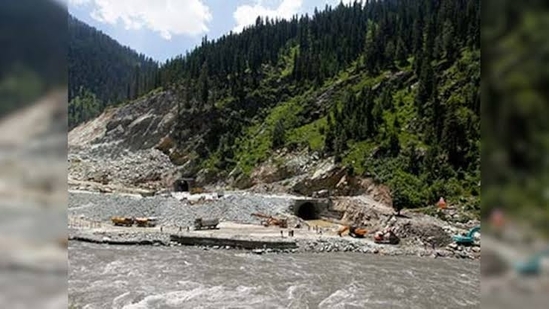
The concerns that have driven India to make this major move cover a range of developments since the conclusion of the Treaty in 1960. According to reliable sources, the Indian notification highlights fundamental and unforeseen changes in circumstances that require a reassessment of obligations under various Articles of the Treaty. Three specific concerns have been emphasized to drive home the point that the 1960 understanding is no longer tenable. Sources said that the first was significantly altered population demographics, coupled with connected agricultural and other uses of the waters. The second was the need to accelerate the development of clean energy to meet India's emission targets. The third underlines the impact of persistent cross-border terrorism in Jammu and Kashmir which has impeded the smooth operations of the Treaty and undermined full utilization of India's rights.
Controversy on handling of Ratle and Kishenganga projects
These developments come in the wake of a prolonged controversy on the handling of the Ratle and Kishenganga hydel projects. Indian officials believe that Pakistan has been compulsively obstructive about all projects on the Indian side and has taken undue advantage of India's generosity under the Indus Waters Treaty. The situation has become more complicated as the World Bank, defying all logic, has simultaneously activated both the Neutral Expert mechanism and the Court of Arbitration. It has also been learnt that in its latest communication, the Indian Government has asserted that the dispute resolution mechanism of the Treaty requires reconsideration.
{{/usCountry}}These developments come in the wake of a prolonged controversy on the handling of the Ratle and Kishenganga hydel projects. Indian officials believe that Pakistan has been compulsively obstructive about all projects on the Indian side and has taken undue advantage of India's generosity under the Indus Waters Treaty. The situation has become more complicated as the World Bank, defying all logic, has simultaneously activated both the Neutral Expert mechanism and the Court of Arbitration. It has also been learnt that in its latest communication, the Indian Government has asserted that the dispute resolution mechanism of the Treaty requires reconsideration.
{{/usCountry}}Experts point out that the Indian Government's decision reflects both its irritation on Pakistan's recalcitrant attitude on the Indus waters sharing and a growing anger at the continued cross-border terrorist attacks. There has been a growing sentiment that the 1960 Treaty was concluded with an unduly rosy view of the Pakistan relationship. Subsequent events have however revealed a deep seated animosity to India, most explicitly expressed in support for terrorism. Interestingly, there have also been persistent demands for reviewing the Treaty in Jammu and Kashmir, where popular opinion feels that their rights were given away without any consultations. The sentiments about water have also been strong in Punjab and Haryana that could be beneficiaries of more projects and new technologies.
Sources have confirmed that the modification notice has been sent after extensive deliberations within the Government. This is regarded as reflecting the determination of the Modi Government to set right a historical mistake.