
 E-Paper



BMS rejects uniform national wage; calls for fair pay amid Noida unrest
BMS said variations in wage structures across states and sectors are a natural outcome of differing economic conditions, cost of living, and productivity levels

 Prefer HTon Google


The Bharatiya Mazdoor Sangh (BMS) on Tuesday asked the industry to take immediate corrective measures following violent labour protests in Noida but underlined that the concept of a uniform national wage structure “neither practical nor economically sustainable”.
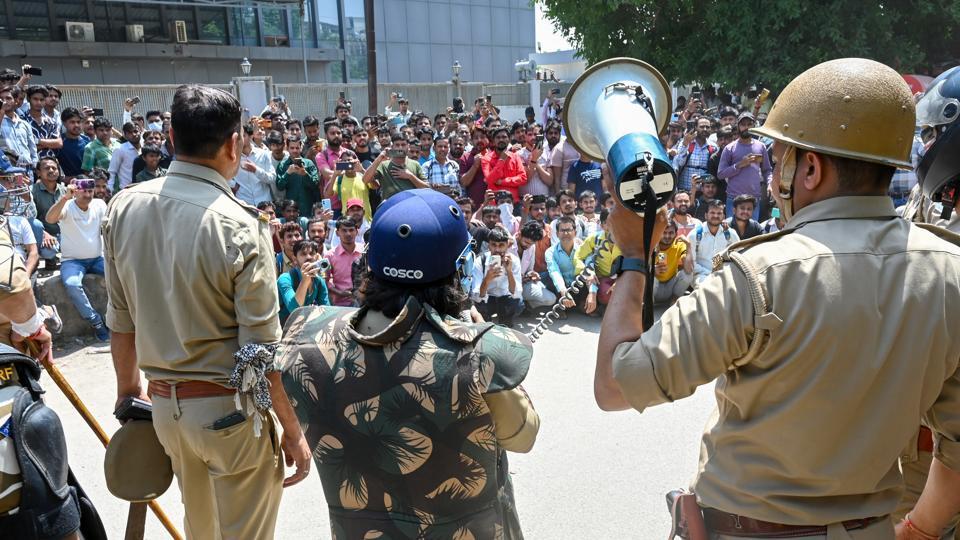
In a statement that comes in the wake of the protest by workers in Uttar Pradesh’s Noida over low wages which turned violent, the trade union affiliated to the Rashtriya Swayamsevak Sangh (RSS), said it was important to acknowledge that the current unrest reflects genuine concerns of workers and the industry must undertake immediate corrective measures to ensure “fair wage practices, reduce unjustified dependence on contract labour, and establish transparent and continuous dialogue mechanisms”.
It, however, stressed that a uniform national wage wasn’t the answer.
“At the outset, it is important to recognise that India’s industrial landscape is diverse, and variations in wage structures across states and sectors are a natural outcome of differing economic conditions, cost of living, and productivity levels,” the BMS statement said
It said “genuine concerns” such as wage disparities within similar industrial clusters, rising cost of living, excessive contractualisation, and lack of effective grievance redressal mechanisms for contributing to dissatisfaction.
“When these concerns are ignored or delayed, they inevitably manifest in unrest,” the statement said.
The BMS also condemned actions that have contributed to the creation, escalation, or exploitation of this situation.
On Monday, a wage hike protest by workers turned violent in Noida with reports of arson, stone-pelting, and vandalism reported across multiple industrial clusters. The workers had been protesting for the past four days. But early morning on Monday, during peak office and school hours, large parts of the city as well as neighbouring Delhi came to a halt as workers blockaded several key roads and police set up restrictions, used tear gas, and carried out lathicharges to bring the violence under control.
The UP government later in the night notified an increase in minimum wages.


