
 E-Paper



Cabinet reshuffle: How PM Modi’s govt has expanded since 2014
A reshuffle in Narendra Modi’s cabinet will take place on Sunday in which about half-a- dozen ministers are expected to make way for several new faces, including those from the BJP’s allies.

 Prefer HTon Google


Prime Minister Narendra Modi is likely to induct about a dozen new faces in his council of ministers and re-allocate some important portfolios on Sunday, probably the last major revamp of his team before the 2019 Lok Sabha elections.
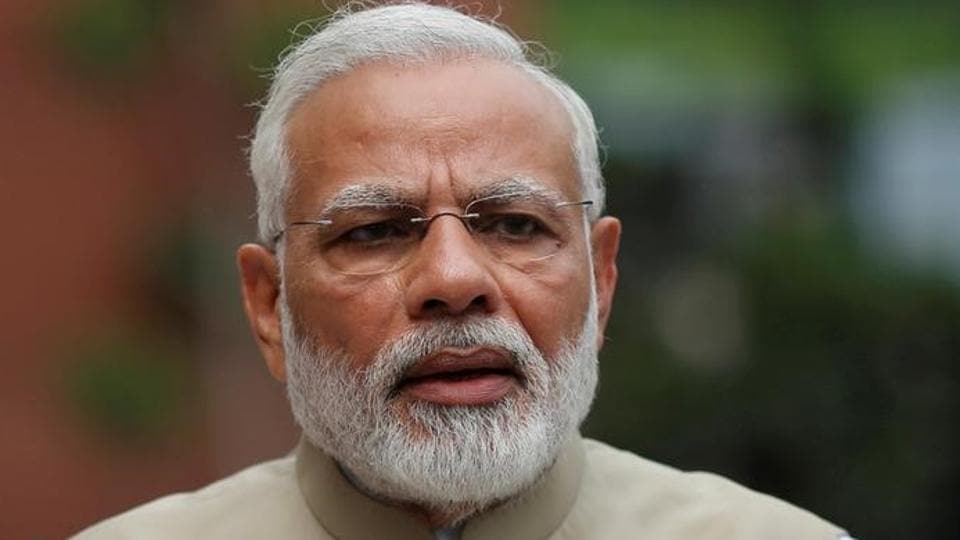
The new ministers will be sworn in by President Ram Nath Kovind at a ceremony in the Rashtrapati Bhawan, which will start at 10am.
With the previous expansion in 2016, the strength of Modi’s cabinet had gone up to 78 -- a far cry from his election promise of “minimum government and maximum governance”.
On Friday, labour minister Bandaru Dattatreya resigned, adding to the list of at least seven ministers who have put in their papers in the past forty-eight hours to make way for new faces.
After Modi was sworn in as the Prime Minister following a sweeping election win in 2014, here is what his government looked like:
Modi’s minister after his government came to power in 2014:
Cabinet ministers:
1. Rajnath Singh: Home minster
2. Sushma Swaraj: External affairs and overseas Indian affairs
3. Arun Jaitley: Finance corporate affairs and defence
4. M Venkaiah Naidu: Urban development housing and urban poverty alleviation and parliamentary affairs
5. Nitin Jairam Gadkari: Road transport and highways shipping
6. DV Sadananda Gowda: Railways
7. Uma Bharati: Water resources, river development and Ganga rejuvenation
8. Najma A Heptulla: Minority affairs
9. Gopinathrao Munde: Rural development, Panchayati Raj and drinking water and sanitation
10. Ramvilas Paswan: Consumer affairs, food and public distribution
11. Kalraj Mishra: Micro, small and medium enterprises
12. Maneka Gandhi: Women and child development
13. Ananthkumar: Chemicals and fertilisers
14. Ravi Shankar Prasad: Communications and information technology and law and justice
15. Ashok Gajapathi Raju: Civil aviation
16. Anant Geete: Heavy industries and public enterprises
17. Harsimrat Kaur Badal: Food processing industries
18. Narendra Singh Tomar: Mines and steel labour and employment
19. Jual Oram: Tribal affairs
20. Radha Mohan Singh: Agriculture
21. Thaawar Chand Gehlot: Social justice and empowerment
22. Smriti Zubin Irani: Human resource development
23. Harsh Vardhan: Health and family welfare
Ministers of state
1. VK Singh: Development of North Eastern Region (independent charge); external affairs; overseas Indian affairs
2. Inderjit Singh Rao: Planning (Independent Charge); Statistics and Programme Implementation (Independent Charge); Defence
3. Santosh Kumar Gangwar: Textiles (Independent Charge); Parliamentary Affairs Water Resources; River Development and Ganga Rejuvenation
4. Shripad Yesso Naik: Culture (Independent Charge); Tourism (Independent Charge)
5. Dharmendra Pradhan: Petroleum and Natural Gas (Independent Charge)
6. Sarbananda Sonowal: Skill Development, Entrepreneurship, Youth Affairs and Sports (Independent Charge)
7. Prakash Javadekar: Information and Broadcasting (Independent Charge); Environment, Forest and Climate Change (Independent Charge); Parliamentary Affairs
8. Piyush Goyal: Power (Independent Charge); Coal (Independent Charge); New and Renewable Energy (Independent Charge)
9. Jitendra Singh: Science and Technology (Independent Charge); Earth Sciences (Independent Charge); Prime Minister’s Office; Personnel, Public Grievances & Pensions; Department of Atomic Energy; Department of Space
10. Nirmala Sitharaman: Commerce and Industry (Independent Charge); Finance; Corporate Affairs
11. GM Siddeshwara: Civil Aviation
12. Manoj Sinha: Railways
13. Nihalchand: Chemicals and Fertilisers
14. Upendra Kushwaha: Rural Development; Panchayati Raj; Drinking Water and Sanitation
15. Radhakrishnan P: Heavy Industries and Public Enterprises
16. Kiren Rijiju: Home Affairs
17. Krishan Pal: Road Transport and Highways Shipping
18. Sanjeev Kumar Balyan: Agriculture; Food Processing Industries
19. Mansukhbhai Dhanjibhai Vasava: Tribal Affairs
20. Raosaheb Dadarao Danve: Consumer Affairs, Food and Public Distribution
21. Vishnu Deo Sai: Mines; Steel; Labour and Employment
22. Sudarshan Bhagat: Social Justice
Modi beefed up his cabinet in November 2014, appointing Manohar Parrikar as the defence minister, a charge previously held additionally by Arun Jatiley.
Modi added a total of 21 new names into his team, including four Cabinet ministers, three ministers of state (independent charge) and 14 ministers of state.
Other than Parrikar, the new Cabinet ministers were Suresh Prabhu, Birendra Singh and JP Nadda.
Here is what the expanded government looked like:
1.Rajnath Singh: Home affairs
2. Sushma Swaraj: External affairs, overseas indian affairs
3. Arun Jaitley: Finance, corporate affairs, information and broadcasting
4. M. Venkaiah Naidu: Urban development, housing and urban poverty alleviation, parliamentary affairs
5. Nitin Jairam Gadkari: Road transport and highways shipping
6. Manohar Parrikar: Defence
7. Suresh Prabhu: Railways
8. DV Sadananda Gowda: Law and justice
9. Sushri Uma Bharati: Water resources, river development and ganga rejuvenation
10. Dr Najma A Heptulla: Minority affairs
11. Ramvilas Paswan: Consumer affairs, food and public distribution
12. Kalraj Mishra: Micro, small and medium enterprises
13. Maneka Sanjay Gandhi: Women and child development
14. Ananthkumar: Chemicals and fertilizers
15. Ravi Shankar Prasad: Communications and information technology
16. Jagat Prakash Nadda: Health and family welfare
17. Ashok Gajapathi Raju Pusapati: Civil aviation
18. Anant Geete: Heavy industries and public enterprises
19. Harsimrat Kaur Badal: Food processing industries
20. Narendra Singh Tomar: Mines steel
21. Chaudhary Birender Singh: Rural development, panchayati raj, drinking water and sanitation
22. Jual Oram: Tribal affairs
23. Radha Mohan Singh: Agriculture
24. Thaawar Chand Gehlot: Social Justice and empowerment
25. Smriti Zubin Irani: Human resource development
26. Harsh Vardhan: Science and technology, earth sciences
Ministers of state
27. General VK Singh: Statistics and programme implementation (independent charge), external affairs, overseas indian affairs
28. Inderjit Singh Rao: Planning (independent charge) defence
29. Santosh Kumar Gangwar: textiles (independent charge)
30. Bandaru Dattatreya: Labour and employment (independent charge)
31. Rajiv Pratap Rudy: Skill development and entrepreneurship (independent charge), parliamentary affairs
32. Shripad Yesso Naik: AAYUSH (independent charge), health and family welfare
33. Dharmendra Pradhan: Petroleum and natural gas (independent charge)
34. Sarbananda Sonowal: Youth affairs and sports (independent charge)
35. Prakash Javadekar: Environment, forest and climate change (independent charge)
36. Piyush Goyal: Power (independent charge), coal (independent charge), new and renewable energy (independent charge)
37. Dr. Jitendra Singh: Development of north eastern region (independent charge), prime minister’s office, personnel, public grievances and pensions, department of atomic energy, department of space
38. Nirmala Sitharaman: Commerce and industry (independent charge)
39. Dr. Mahesh Sharma: Culture (independent charge), tourism (independent charge), civil aviation
40. Mukhtar Abbas Naqvi: Minority affairs, parliamentary affairs
41. Ram Kripal Yadav: Drinking water and sanitation
42. Haribhai Parthibhai Chaudhary: Home affairs
43. Sanwar Lal Jat: Water resources, river development and ganga rejuvenation
44. Mohanbhai Kalyanjibhai Kundariya: Agriculture
45. Giriraj Singh: Micro, small and medium enterprises
46. Hansraj Gangaram Ahir: Chemicals and fertilizers
47. GM Siddeshwara: Heavy industries and public enterprises
48. Manoj Sinha: Railways
49. Nihalchand: Panchayati Raj
50. Upendra Kushwaha: Human resource development
51. Radhakrishnan P: Road transport and highways shipping
52. Kiren Rijiju: Home affairs
53. Krishan Pal: Social justice and empowerment
54. Dr. Sanjeev Kumar Balyan: Agriculture
55. Manuskhbhai Dhanjibhai Vasava: Tribal affairs
56. Raosaheb Dadarao Danve: Consumer affairs, food and public distribution
57. Vishnu Deo Sai: Mines, steel
58. Sudarshan Bhagat: Rural development
59. Prof. (Dr.) Ram Shankar Katheria: Human resource development
60. Y.S. Chowdary: Science and technology, earth science
61. Jayant Sinha: Finance
62. Col. Rajyavardhan Singh Rathore: Information and broadcasting
63. Babul Supria (Babul Supriyo) Baral: Urban development, housing and urban poverty alleviation
64. Sadhvi Niranjan Jyoti: Food processing industries
65. Vijay Sampla: Social justice and empowerment
In July 2016, Modi inducted 19 new ministers into his cabinet, drawing criticism that he was backtracking on a promise of giving the country a lean government. The PM also shuffled the portfolios of many of his prominent ministers.
The most unexpected was the shifting of Smriti Irani from human resource development (HRD) to the unglamorous textiles ministry. Prakash Javadekar, whose elevation to the cabinet rank took many by surprise, replaced Irani.
Newly appointed minister Anil Madhav Dave was appointed environment minister in place of Javadekar. Ravi Shankar Prasad is the new law minister, replacing DV Sadananda Gowda who was shifted to the statistics and programme implementation ministry. Minister of state for railways Manoj Sinha was promoted and given independent charge of communications, while Prasad retained the charge of electronics and information technology.
Here is what Modi’s current government looks like:
Cabinet ministers
1. Rajnath Singh: Home affairs
2. Sushma Swaraj: External affairs
3. Arun Jaitley: Finance; Corporate Affairs; Defence
4. Nitin Jairam Gadkari: Road Transport and Highways; Shipping
5. Suresh Prabhu: Railways
6. DV Sadananda Gowda: Statistics and Programme Implementation
7. Uma Bharati: Water Resources, River Development and Ganga Rejuvenation
8. Ramvilas Paswan: Consumer Affairs, Food and Public Distribution
9. Kalraj Mishra: Micro, Small and Medium Enterprises
10. Maneka Sanjay Gandhi: Women and Child Development
11. Ananthkumar: Chemicals and Fertilizers; Parliamentary Affairs
12. Ravi Shankar Prasad: Law and Justice; Electronics and Information Technology
13. Jagat Prakash Nadda: Health and Family Welfare
14. Ashok Gajapathi Raju Pusapati: Civil Aviation
15. Anant Geete: Heavy Industries and Public Enterprises
16. Harsimrat Kaur Badal: Food Processing Industries
17. Narendra Singh Tomar: Rural Development; Panchayati Raj; Drinking Water and Sanitation; Housing and Urban Affairs
18. Chaudhary Birender Singh: Steel
19 Jual Oram: Tribal Affairs
20 Radha Mohan Singh: Agriculture and Farmers Welfare
21 Thawar Chand Gehlot: Social Justice and Empowerment
22. Smriti Zubin Irani: Textiles; Information and Broadcasting
23. Harsh Vardhan: Science and Technology; Earth Sciences; Environment, Forest and Climate Change
24. Prakash Javadekar: Human Resource Development
Ministers of state (Independent Charge)
1. Rao Inderjit Singh: Planning (Independent Charge); Housing and Urban Affairs
2. Bandaru Dattatreya: Labour and Employment (Independent Charge)
3. Rajiv Pratap Rudy: Skill Development and Entrepreneurship (Independent Charge)
4. Vijay Goel: Youth Affairs and Sports (Independent Charge); Water Resources, River Development and Ganga Rejuvenation
5. Shripad Yesso Naik: Ayurveda, Yoga and Naturopathy, Unani, Siddha and Homopathy (AYUSH) (Independent Charge)
6. Dharmendra Pradhan: Petroleum and Natural Gas (Independent Charge)
7. Piyush Goyal: Power (Independent Charge); Coal (Independent Charge); New and Renewable Energy (Independent Charge); Mines (Independent Charge)
8. Jitendra Singh: Development of North Eastern Region (Independent Charge); Prime Minister’s Office; Personnel, Public Grievances and Pensions; Department of Atomic Energy; Department of Space
9. Nirmala Sitharaman: Commerce and Industry (Independent Charge)
10. Mahesh Sharma: Culture (Independent Charge); Tourism (Independent Charge)
11. Manoj Sinha: Communications (Independent Charge); Railways
12. Mukhtar Abbas Naqvi: Minority Affairs (Independent Charge); Parliamentary Affairs
Ministers of state
1. VK Singh: External Affairs
2. Santosh Kumar Gangwar: Finance
3. Faggan Singh Kulaste: Health and Family Welfare
4. SS Ahluwalia: Agriculture and Farmers Welfare; Parliamentary Affairs
5. Ramdas Athawale: Social Justice and Empowerment
6. Ram Kripal Yadav: Rural Development
7. Haribhai Parthbhai Chaudhary: Micro, Small and Medium Enterprises
8. Giriraj Singh: Micro, Small and Medium Enterprises
9. Hansraj Gangaram Ahir: Home Affairs
10. Ramesh Chandappa Jigajinagi: Drinking Water and Sanitation
11. Rajen Gohain: Railways
12. Parshottam Rupala: Agriculture and Farmers Welfare; Panchayati Raj
13. MJ Akbar: External affairs
14. Upendra Kushwaha: Human Resources Development
15. Radhakrishnan P: Road Transport and Highways; Shipping
16. Kiren Rijiju: Home Affairs
17. Krishan Pal: Social Justice and Empowerment
18. Jasvantsinh Sumanbhai Bhabhor: Tribal Affairs
19. Sanjeev Kumar Balyan: Water Resources, River Development and Ganga Rejuvenation
20. Vishnu Deo Sai: Steel
21. Sudarshan Bhagat: Agriculture and Farmers Welfare
22. YS Chowdary: Science and Technology; Earth Science
23. Jayant Sinha: Civil Aviation
24. Rajyavardhan Singh Rathore: Information and Broadcasting
25. Babul Supriyo: Heavy Industries; Public Enterprises
26. Sadhvi Niranjan Jyoti: Food Processing Industries
27. Vijay Sampla: Social Justice and Empowerment
28. Arjun Ram Meghwal: Finance; Corporate Affairs
29. Mahendra Nath Pandey: Human Resource Development
30. Ajay Tamta: Textiles
31. Krishna Raj: Women and Child Development
32. Mansukh L Mandaviya: Road Transport and Highways, Shipping; Chemicals and Fertilizers
33. Anupriya Patel: Health and Family Welfare
34. CR Chaudhary: Consumer Affairs, Food and Public Distribution
35. PP Chaudhary: Law and Justice; Electronics and Information Technology
36. Subhash Ramrao Bhamre: Defence


