
 E-Paper



Centre launches water reuse project
Shekhawat launched the ‘Sujalam 2.0’ grey water recycling project in taped video announcement before leaving for Dakar, Senegal, to attend the World Water Forum.

 Prefer HTon Google


On Tuesday, World Water Day, Union minister for Jal Shakti Gajendra Shekhawat launched a countrywide project to reuse grey water, or run-offs from kitchens, bathing and laundry, and said the country was on track to realizing its “dream” of connecting every rural household with tap water by 2024.
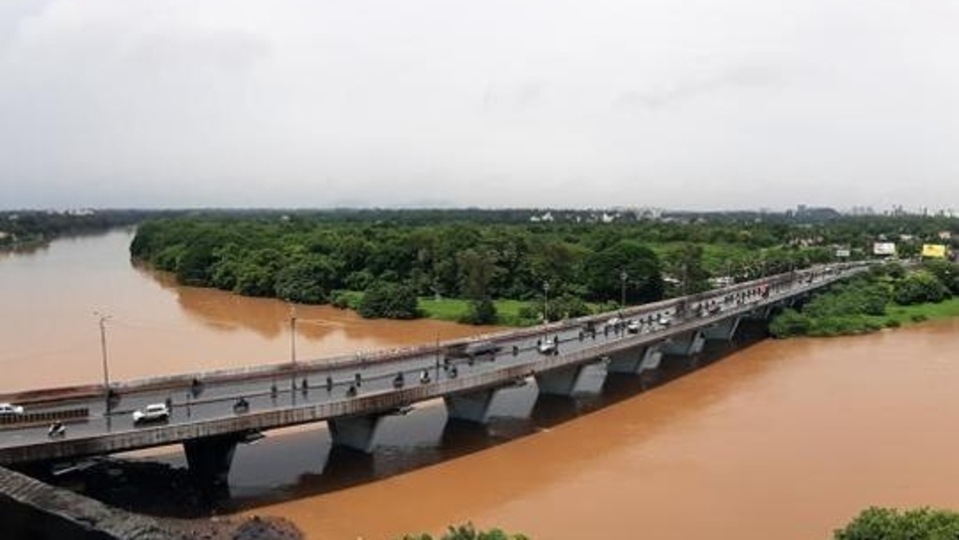
Shekhawat launched the ‘Sujalam 2.0’ grey water recycling project in taped video announcement before leaving for Dakar, Senegal, to attend the World Water Forum. A staggering 31,000 million tonne of grey water a day is discharged by rural India alone, which goes waste, according to official data, enough to tide over drought if evenly stored across the country. Of India’s 190 million rural households, 90 million households had a tap-water connection as on date, the Jal Shakti minister said. That’s about 47.3%.
Experts say the country has to go beyond these milestones because water demand is growing exponentially, with serious consequences. The minister acknowledged this in his taped message. “The demand for water is constantly increasing and we need to conserve.” He said under the country’s groundwater recharge scheme, Atal Bhujal Yojana, 81 water-scarce districts are on course to getting 10.42 million recharge units to capture 1.85 billion cubic metre of monsoon rains.
Yet challenges are steep. At least a third of India’s districts routinely faces episodes of severe water shortage. “Water has indeed become India’s scarcest resource,” said Ram Moria of Samaj Pragati Sahayog, a rural water-conservation non-profit.
Sometimes, the effect of the country’s water crises can ripple across the economy. On March 13, 2015, the Ganga ran so low on water near Bengal’s Farakka that eastern India’s largest power plant had to be temporarily shut down. It led to power outages in industries and households alike. In Maharashtra, water is transported in rail wagons during such crises.
Real culprit
Yet, a bad monsoon isn’t the real culprit. It’s about how water is utilised in a country with only 4% of the world’s water resources and 16% of the global population. In Meghalaya, one of the rainiest places on Earth, residents face shortages. The country’s public water-supply systems are leaky. Urban demand is currently 135 litres per person per day, three times as much as rural India’s 40 litres, excluding agricultural use.
“Agriculture’s demand for water is disproportionately huge. One of the reasons is free electricity and lot of incentives for crops such as paddy,” says Alok Nath, a former agricultural scientist with the National Council for Agricultural Research.


