Schools should reopen at the earliest possible and appropriate guidelines have been issued to states, a top Union government official said on Thursday, citing the protection from vaccines to make a strong case for in-person classes to be resumed.
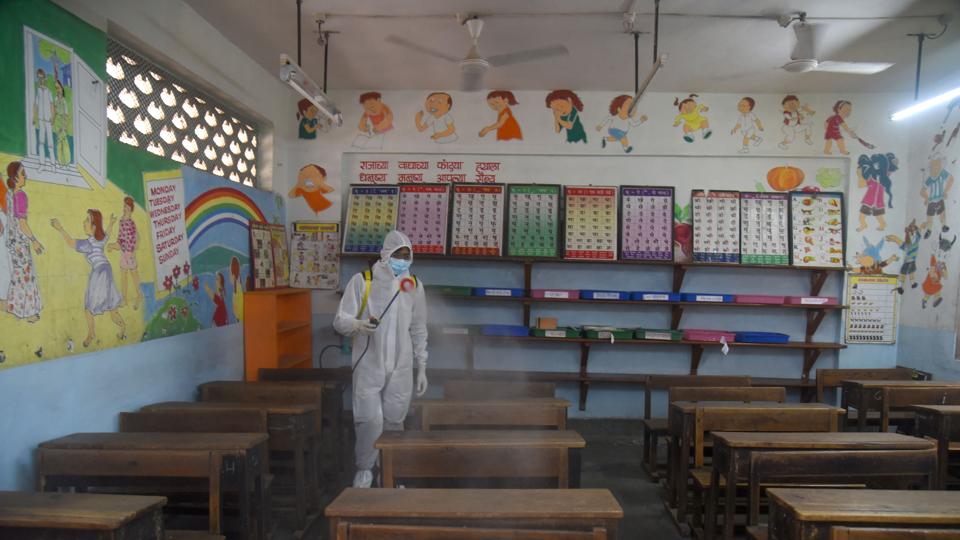
The stand, taken by Niti Aayog member VK Paul, comes at a time when several states have dithered on letting children back into classrooms despite a sustained drop in new cases nationwide.
“Physical learning is possible; school activities which lead to interaction, development is possible; and teachers can feel safe because now in any case we are vaccine protected,” said Paul during the government’s briefing on Covid-19 on Thursday.
Agreeing with concerns that closing schools had led to significant learning losses, Paul said: “Therefore at the earliest, appropriate, opportune time, the schools should be opened. It had other imperatives in the absence of vaccines—teachers were not protected, for instance. [But] we have come a long way now; and we have more confidence to go in the direction of running schools”.
The Union government in December issued new guidelines to states, which it made public this week as the debate over reopening schools grew. Among the changes in these rules are dropping a mandatory parental consent for children to be asked to return to classes. “The decision for opening of schools rests with the state governments; and further down by the district administrations. The broad issue is that we would still like to ensure that schools are opened; and that schools are run according to protocol. We are still in the midst of a pandemic but by implementing SOPs, we can ensure safe conduct of schools,” he said. At present, eight states have opened schools fully. The number of states that have opened for higher classes is 16, while nine others – including Delhi and Uttar Pradesh – are yet to do so.
{{/usCountry}}The Union government in December issued new guidelines to states, which it made public this week as the debate over reopening schools grew. Among the changes in these rules are dropping a mandatory parental consent for children to be asked to return to classes. “The decision for opening of schools rests with the state governments; and further down by the district administrations. The broad issue is that we would still like to ensure that schools are opened; and that schools are run according to protocol. We are still in the midst of a pandemic but by implementing SOPs, we can ensure safe conduct of schools,” he said. At present, eight states have opened schools fully. The number of states that have opened for higher classes is 16, while nine others – including Delhi and Uttar Pradesh – are yet to do so.
{{/usCountry}}Schools were closed across the country in March 2020 when the Sars-CoV-2 first began taking hold across the world. They were reopened as part of a phased “unlock” process on October 15, 2020 but had to be shut during the Delta variant outbreak in the spring of 2021. In Delhi, additional closures last year were triggered by the air pollution crisis.
The Union government has now issued new guidelines and a separate advisory detailing how to improve learning levels and bring back a large number of students who have dropped out after learning moved online – a mode that not many can afford.
“The guidelines are advisory in nature, which were shared with all states, UTs, and stakeholders asking to adapt these as per the needs of the states as deemed fit. And they are to prepare their own guidelines and SOPs,” said Sweety Changsan, joint secretary (department of school education & literacy), ministry of education.
The latest updated guidelines take into account vaccination coverage in the country, especially of teaching and non-teaching staff in our schools and educational institutions. “In all the states, the vaccination coverage for both teaching and non-teaching staff has been around 95%, on an average. Some states have even completed 100% vaccination of their teaching and non-teaching staff. Information regarding the eligible student level is still being collected. Also, for various central institutions like Kendiyra Vidayalaya, Navodaya Vidyalaya etc. it’s about 98- 100%,” said Changsan.
Gatherings and congregations, and group activities should be allowed in accordance with the SOPs; and necessary precautions are advised for children with co-morbidities as they pose higher risk of developing serious disease.
“The ministry has been encouraging states to follow the SOPs; and take forward the issue of vaccination, and alternative measures so that continued learning is carried on,” she added.
Experts have said that schools should be the last to close and first to reopen, particularly since children themselves are at significantly lower risk from disease. The risk largely pertains to them potentially passing on Covid-19 to teachers and relatives, a danger that has been significantly mitigated now with high vaccination uptake rates.