
 E-Paper



Chandrayaan 3: Pragyan rover discovers new ancient crater on Moon surface
The dust and rock from the new crater are crucial to understand the early geological evolution of moon.

 Prefer HTon Google


India's moon mission, Chandrayaan-3, has discovered a 160-km-wide moon crater near its landing site. The latest findings by the Pragyan rover on the mission has been published in the latest issue of Science Direct by scientists from Ahmedabad's Physical Research Laboratory.
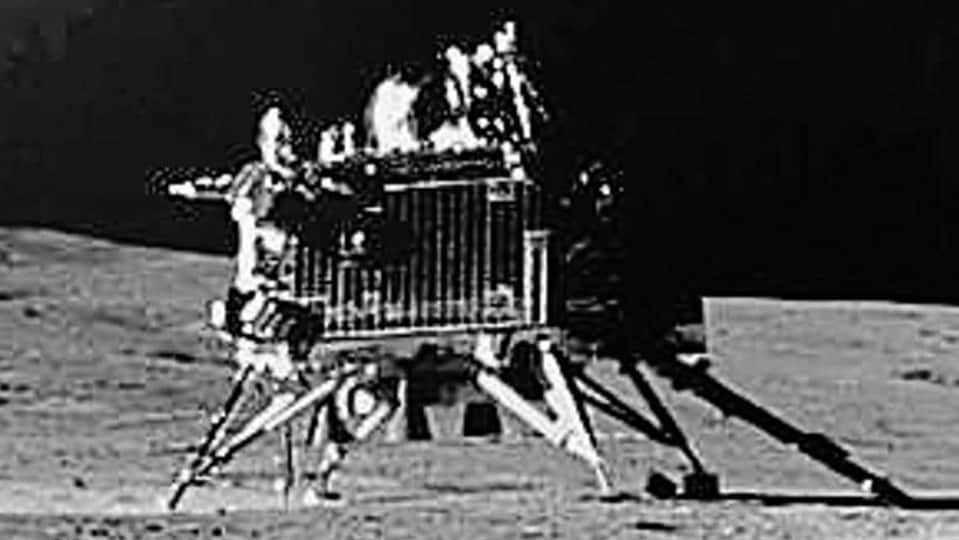
The third moon mission continues to make new discoveries on the lunar surface. The new crater has been discovered from data sent back to earth by the Prayan rover. The rover is currently exploring the moon's surface in the celestial body's South Pole region, reported India Today.
Also read | More about Chandrayaan
More about the crater
The new site was discovered from data gathered by the Pragyan rover when it traversed a highland terrain around 350 km from the Aitken basin in the South Pole, the largest and oldest impact basin on the moon's surface. The dust and rock from the new layer are crucial to understand the early geological evolution of moon.
The site is rich in material accumulated from past impacts and has been an area of interest for lunar exploration missions. The Aitken basin contributed almost 1,400 meters of debris, while other smaller craters around the basin added more geological material to the landscape.
Also read | Earth to get ‘mini-moon’ 2024 PT5, orbiting for 2 months | All you need to know
Scientists believe the new 160-km wide crater was formed even before the formation of Aitken basin. This makes the new discovery one of the oldest geological structures on the Moon's surface. Due to its age, the crater has been buried under debris generated due to later impacts and has degraded over time, said the report.
Also read | Significance and career opportunities for students pursuing space science and technology in India
The rover has taken high resolution images from its optical cameras revealing key details about the structure this ancient crater. Scientists believe this will also reveal vital cues on the Moon's geological history. This presents a rare scientific opportunity to study one of the earliest geological formations on the celestial body.


