Contributions and sacrifices made by Assamese freedom fighters for India’s independence movement will be highlighted in the coming days so that people from other parts of the country also get to know them, chief minister Himanta Biswa Sarma said on Wednesday.
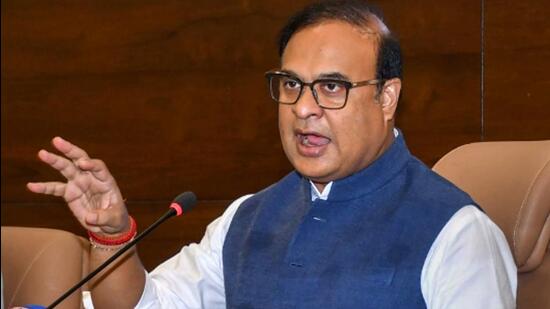
“The farmers’ uprising at Phulaguri in 1861 was the first peasant revolt during the freedom struggle anywhere in the country. We haven’t been able to publicise this and other such incidents,” the CM said while addressing a special one-day session of the state assembly to mark 75 years of Indian independence.
The Phulaguri uprising of October 16, 1861 against harsh hike in taxes by the British led to the killing of Lt. Singer, a junior assistant commissioner, at the hands of the farmers. This was followed by firing on the protesting farmers, in which at least 39 people died.
Sharma also mentioned about the January 28, 1894 peasant uprising at Patharughat, in which over 100 farmers protesting against an increase in land revenue died in British firing.
“While Jallianwallah Bagh massacre is known all over, we need to highlight the Patharughat incident (which took place 25 years prior to the Punjab incident),” Sarma said.
{{/usCountry}}“While Jallianwallah Bagh massacre is known all over, we need to highlight the Patharughat incident (which took place 25 years prior to the Punjab incident),” Sarma said.
{{/usCountry}}He informed that 150 bighas of land of the overall 350 bighas in the Jorhat district jail will be converted into ‘Amrit Udyan’ in the memory of several prominent freedom fighters who were jailed there. While Kamala Miri and Beja Bauri died inside the prison, martyr Kushal Konwar was hanged inside the premises on June 15, 1943.
Earlier this month, Sarma wrote letters to CMs of all states requesting them to include a chapter on the 17th-century legendary Ahom army general Lachit Borphukan in the syllabus of schools and colleges. Borphukan’s brave leadership led to the defeat of the Mughal army of Aurangzeb at the battle of Saraighat in 1671.