Senior advocate and amicus curiae Indira Jaising has urged the Supreme Court to lower the legal age of sexual consent from 18 to 16, arguing that the current law unfairly criminalises consensual relationships between teenagers.
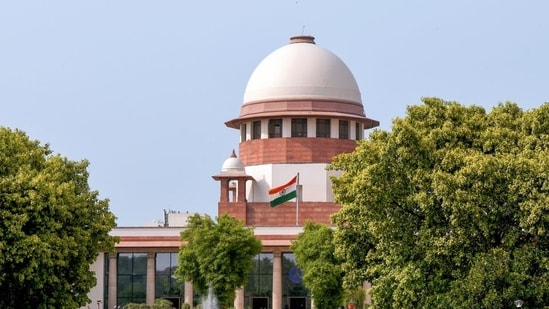
In her written submissions to the court in the Nipun Saxena v. Union of India case, Jaising challenged the blanket criminalisation of consensual sexual activity involving adolescents aged 16 to 18 under the Protection of Children from Sexual Offences (POCSO) Act, 2012, and Section 375 of the Indian Penal Code (IPC), PTI reported.
She argued that the existing legal framework violates the constitutional rights of adolescents by treating consensual romantic relationships as criminal acts.
“There is no rational reason or empirical data to justify the increase in the age of consent from 16 to 18 years,” Jaising said, as quoted in the report.
She pointed out that for over 70 years, the age of consent in India remained 16, and was raised to 18 through the Criminal Law (Amendment) Act, 2013, without public debate. This, she said, went against the Justice Verma Committee’s recommendation to keep it at 16.
Jaising also argued that today’s adolescents reach puberty earlier and are capable of making informed decisions about their relationships.
{{/usCountry}}Jaising also argued that today’s adolescents reach puberty earlier and are capable of making informed decisions about their relationships.
{{/usCountry}}She cited data from the National Family Health Survey and other sources to show that sexual activity among teenagers is common, and said the law needs to reflect this social reality.
Between 2017 and 2021, Jaising noted, there was a 180 per cent rise in POCSO prosecutions involving minors aged 16 to 18.
“Most complaints are filed by parents, often against the girl’s will, in cases involving inter-caste or inter-faith relationships,” she said.
She warned that criminalising consensual sex “forces young couples into hiding, marriage or legal trouble, instead of encouraging open dialogue and education.”
To address this, she urged the court to introduce a “close-in-age” exception that would exempt consensual sexual activity between adolescents aged 16 to 18 from being prosecuted under POCSO or rape laws.
“Criminalising sex between teenagers is arbitrary, unconstitutional, and against the best interests of children,” she added.
Jaising also referred to international legal standards and Indian case law that recognise a young person’s right to make informed choices. She cited the UK’s Gillick ruling and India’s Puttaswamy privacy judgment to argue that personal autonomy must also extend to adolescents.
She further pointed to observations made by several high courts—including Bombay, Madras, and Meghalaya—that have raised “concerns” about automatically prosecuting adolescent boys under POCSO, even when the sexual relationship is consensual.
These courts have underlined the need to distinguish between coercive abuse and consensual acts involving minors, the report added.
Jaising concluded by urging the Supreme Court to clarify that consensual sex between 16 to 18-year-olds is not a criminal offence and should not fall under the definition of abuse under POCSO or IPC.With PTI inputs