
 E-Paper



Delhi assembly elections 2020: Despite exit polls, BJP confident of strategy
According to exit poll forecasts, the AAP was expected to win anything between 47 seats (Times Now-Ipsos poll), which was the lowest estimate, to 68 seats (India Today-Axis poll), which was the highest estimate, in the assembly of 70 members.


A Bharatiya Janata Party (BJP) functionary said on Sunday that his party is confident about its prospects in the Delhi assembly elections, a day after five exit polls predicted a win by the ruling Aam Aadmi Party (AAP) in the national capital.
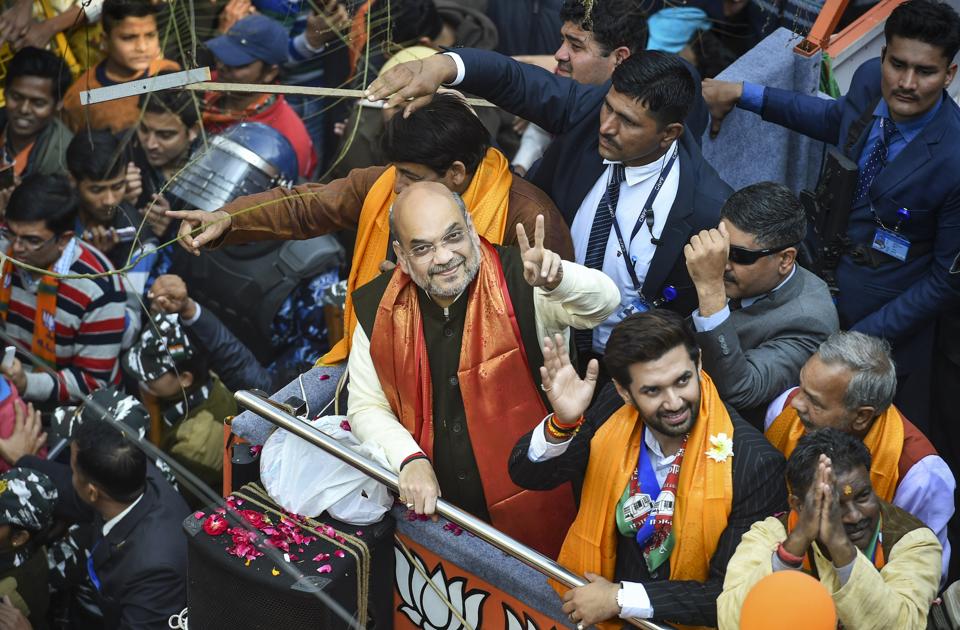
The BJP functionary, who spoke on the condition of anonymity, said the party’s strategy to fight assembly elections on national issues is not flawed.
The functionary, who asserted that the outcome on February 11 will be different from what has been predicted by exit polls, also said the party sees no reason to revisit its election strategy.
“We fight all elections on the basis of our ideology. We cannot alter the ideology based on whether it is assembly elections or the general elections. The issues that we raised are of national importance and in consonance with our ideology,” he said.
According to exit poll forecasts, the AAP was expected to win anything between 47 seats (Times Now-Ipsos poll), which was the lowest estimate, to 68 seats (India Today-Axis poll), which was the highest estimate, in the assembly of 70 members.
Most polls expected the BJP to improve its performance from the last assembly elections, when it won just three seats, but the party was far behind the incumbent. The lowest estimate for the party was two seats (India Today-Axis) and the highest 23 (Times Now-Ipsos).
While the BJP focused on the anti-Citizenship (Amendment) Act protests in Shaheen Bagh in its campaign, the AAP accused it of running away from “real issues” and said it was fighting the elections on its work — from health care to education, among others.
“The [Narendra] Modi government’s shift to exclusive Hindutva politics, sidestepping development, has translated into Modi’s continued personal popularity at the Centre and rejection of BJP in states and assembly elections,” said Ajay Gudavarthy of the Jawaharlal Nehru University’s Centre for Political Studies.


