The Delhi forest department and Central Public Works Department (CPWD) submitted divergent data on the survival of trees transplanted for the expansion and restoration of the Parliament building as part of the Central Vista Project in their affidavits submitted to the Delhi high court in May.
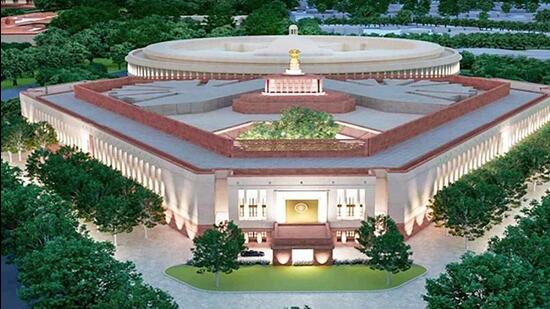
The CPWD said that 66% or 266 out of the 404 trees survived. The forest department informed the court that only around 30%, or 121 trees survived. It added that only around one-third of the 16,461 trees transplanted under the Delhi Preservation of Trees Act over the last three years survived.
As per the transplantation policy that the Delhi government notified in December 2020, each project needs to have a minimum survival rate of 80% for all transplanted trees. At least 80% of all trees removed for a project are required to be transplanted.
A forest official, who spoke on condition of anonymity, said a difference in the methodology while calculating the survival rate may have resulted in the different data. The time of the survey may also be a reason, the official added.
“It depends whether a dry tree is considered as having survived or not and just how long it may take for leaves to grow again...,” The official said trees may initially appear to have survived, but the picture becomes clearer a few months later.
{{/usCountry}}“It depends whether a dry tree is considered as having survived or not and just how long it may take for leaves to grow again...,” The official said trees may initially appear to have survived, but the picture becomes clearer a few months later.
{{/usCountry}}According to data obtained under the Right To Information (RTI) Act, 272 trees were transplanted to the NTPC Park in Badarpur for the project. The remaining trees were being transplanted within the existing parliament complex.
Bhavreen Kandhari, the activist who sought the data, said a response was sought about the conditions of the trees transplanted. “A majority of the trees being transplanted in Delhi are not surviving the process and a survival rate of around 33% for all projects is abysmally low,” she said.
A second forest official said trees transplanted farther are faring worse than those that within the complex. “If the soil type differs and the distance is longer, the tree may not survive the transplantation.”